
Last updated November 14, 2026
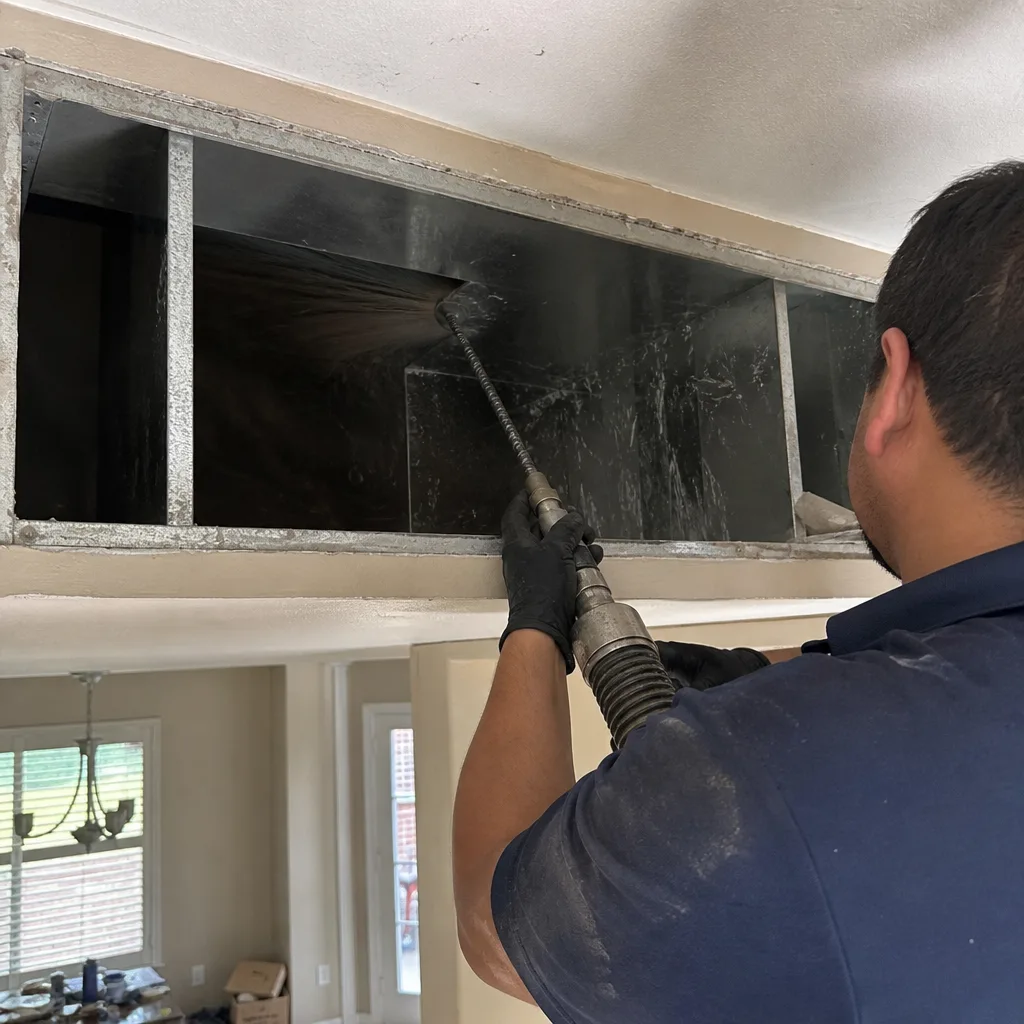
 Whole-home duct cleaning
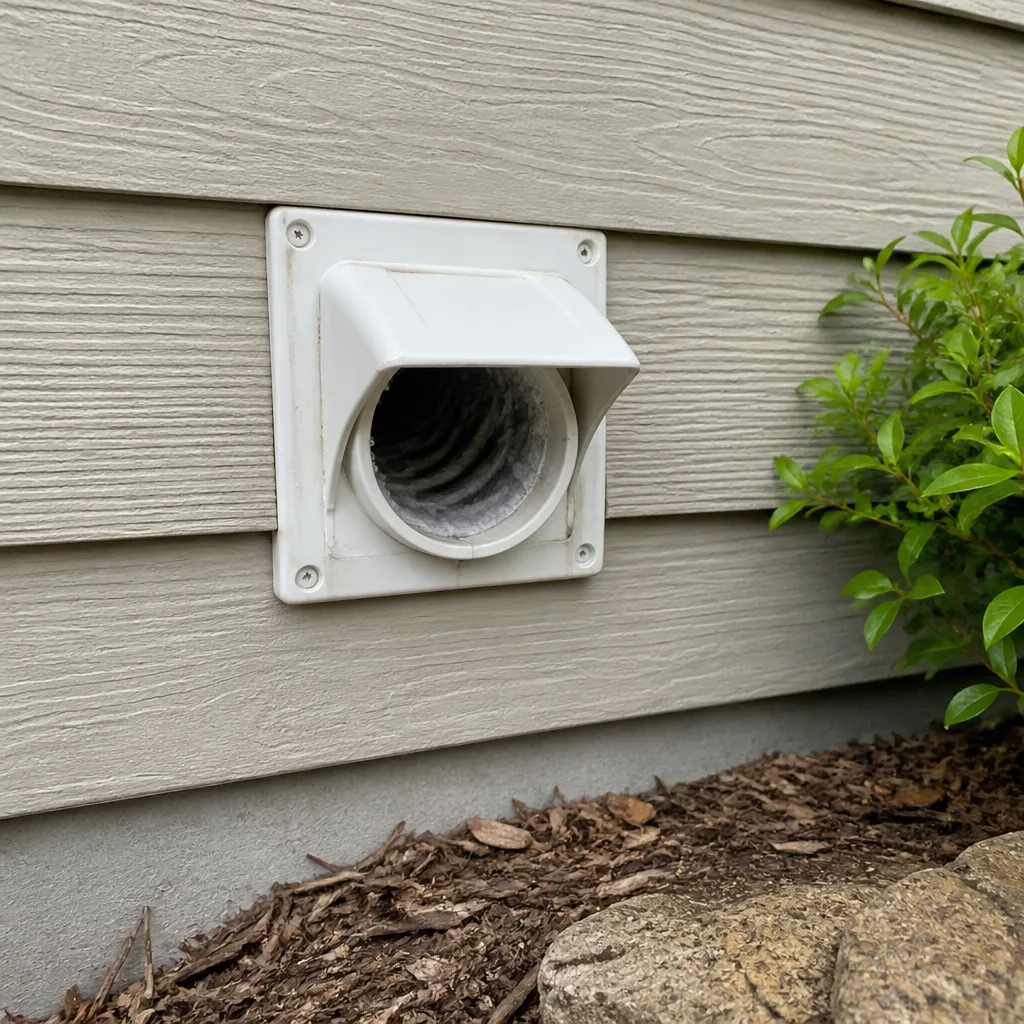 Dryer vent cleaning
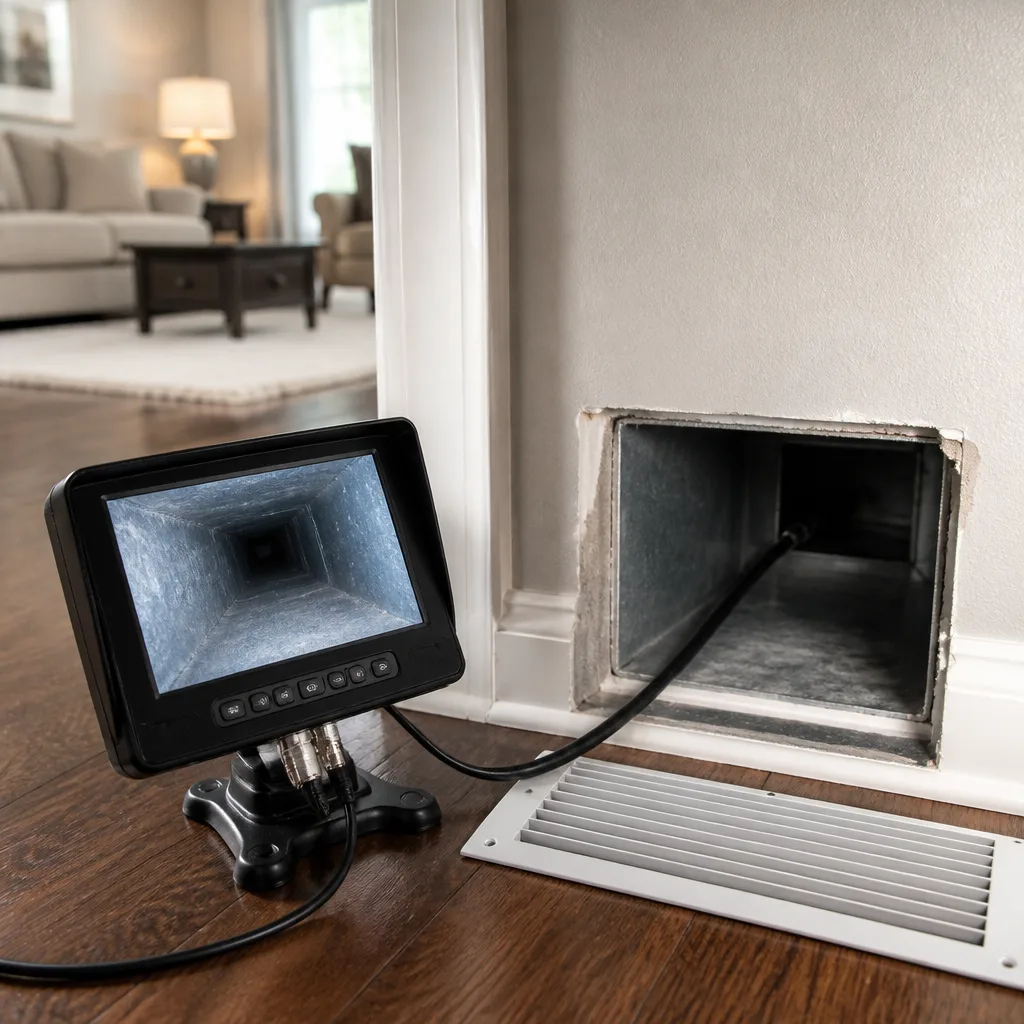 Camera inspection
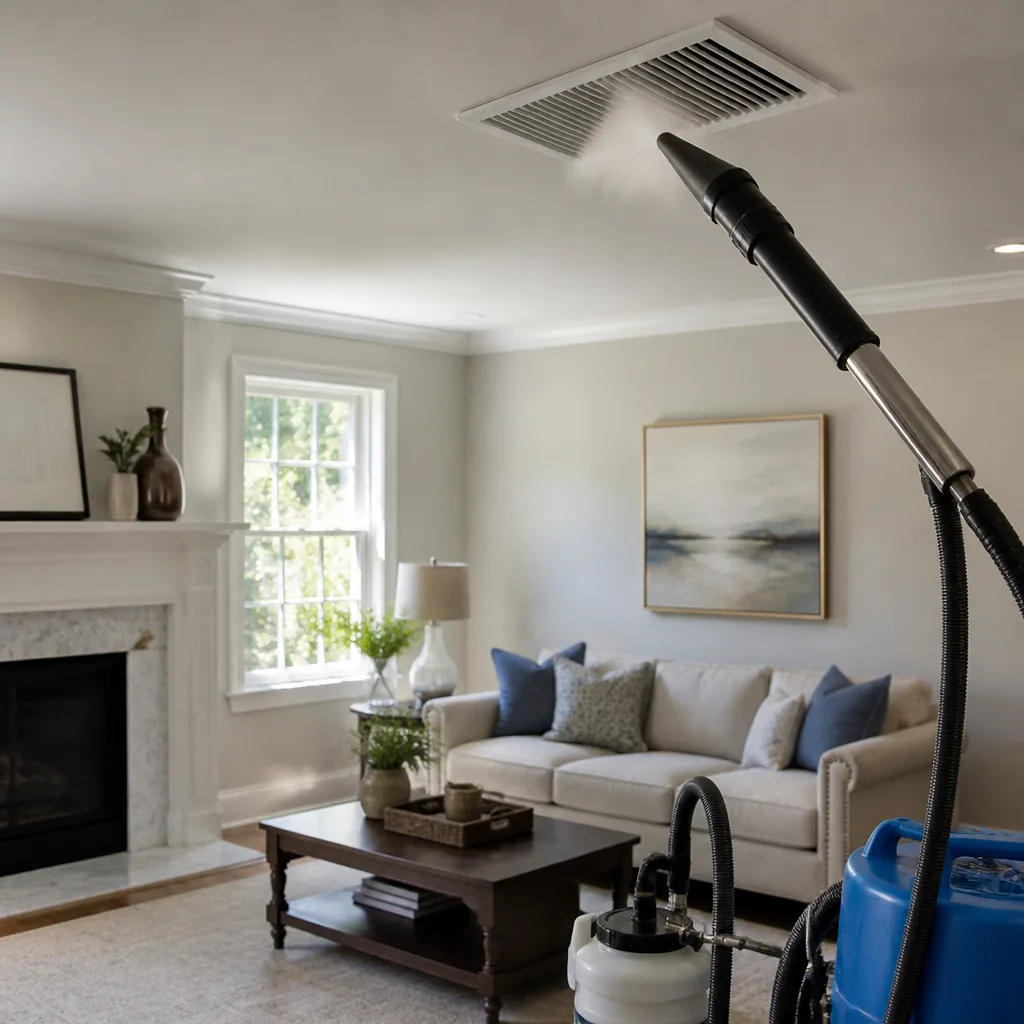 Sanitizing & deodorizing
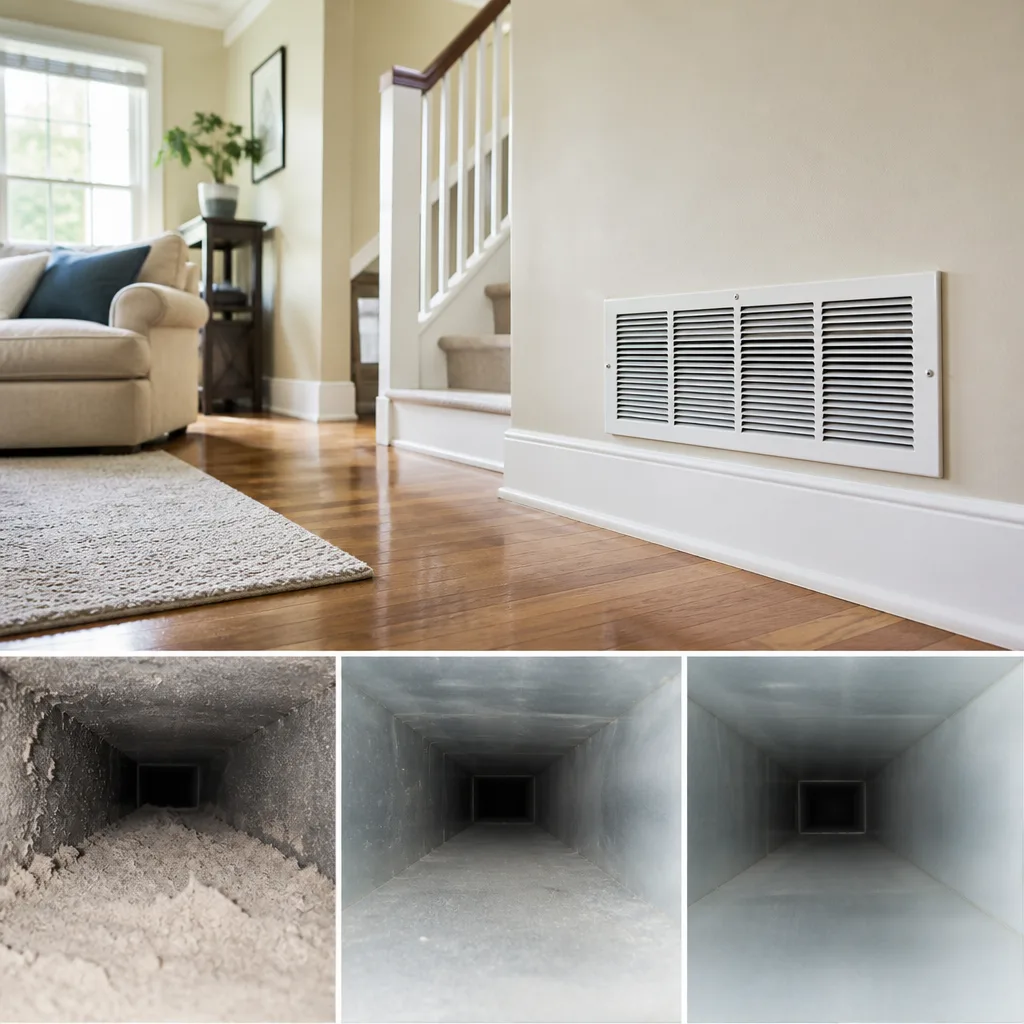
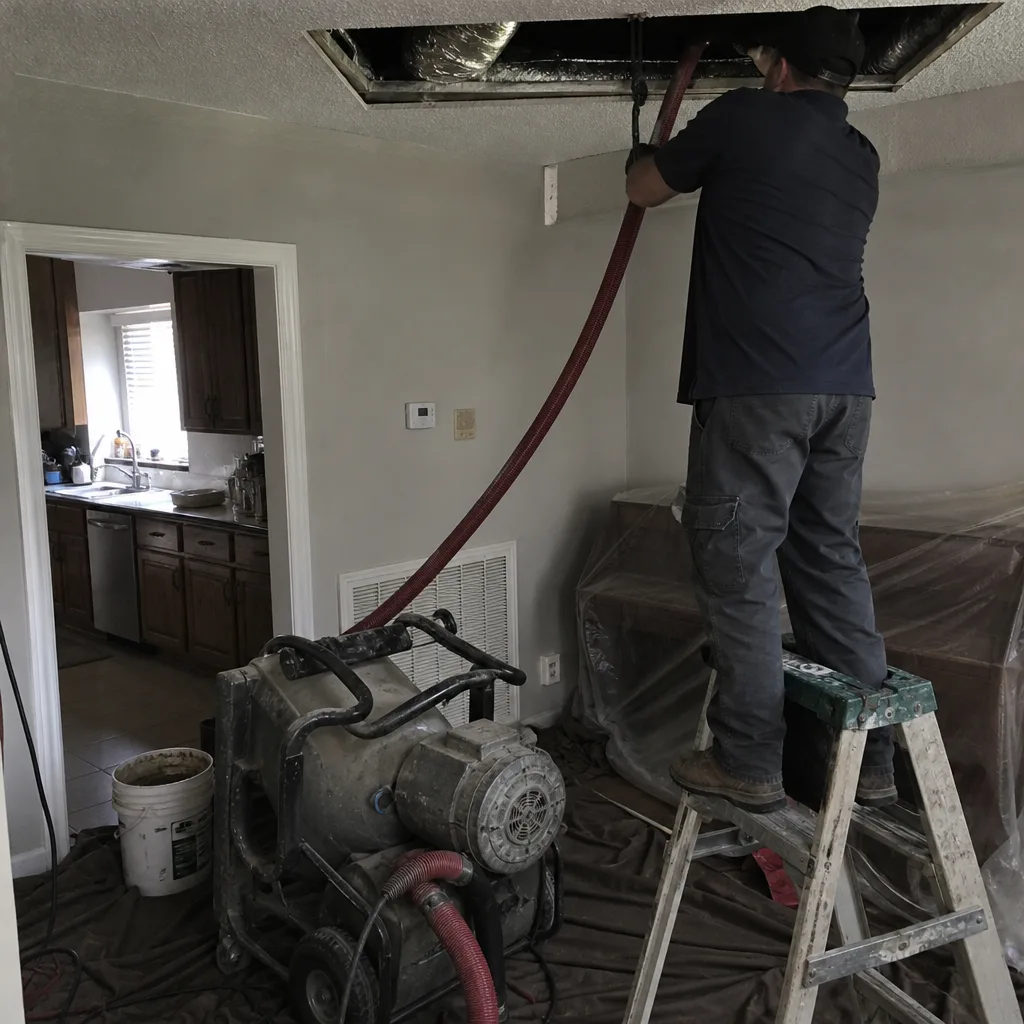
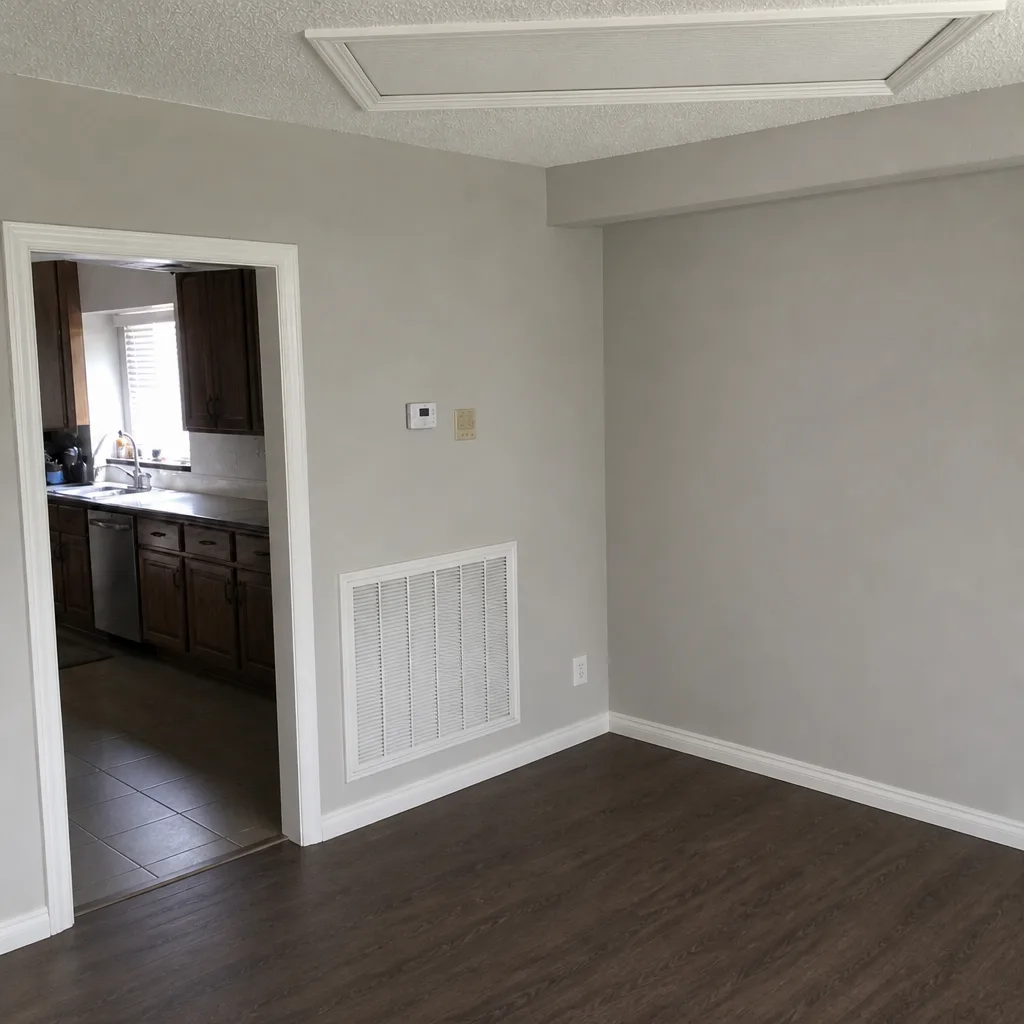
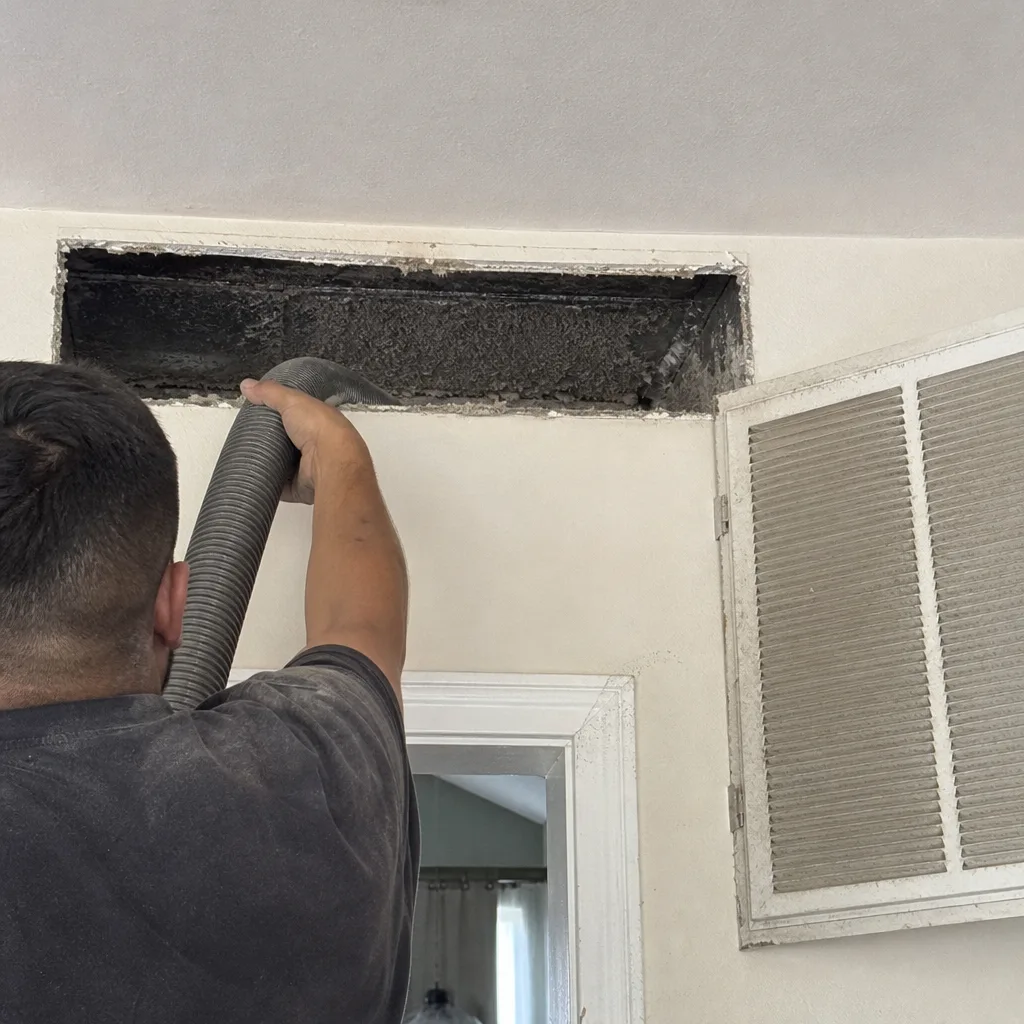
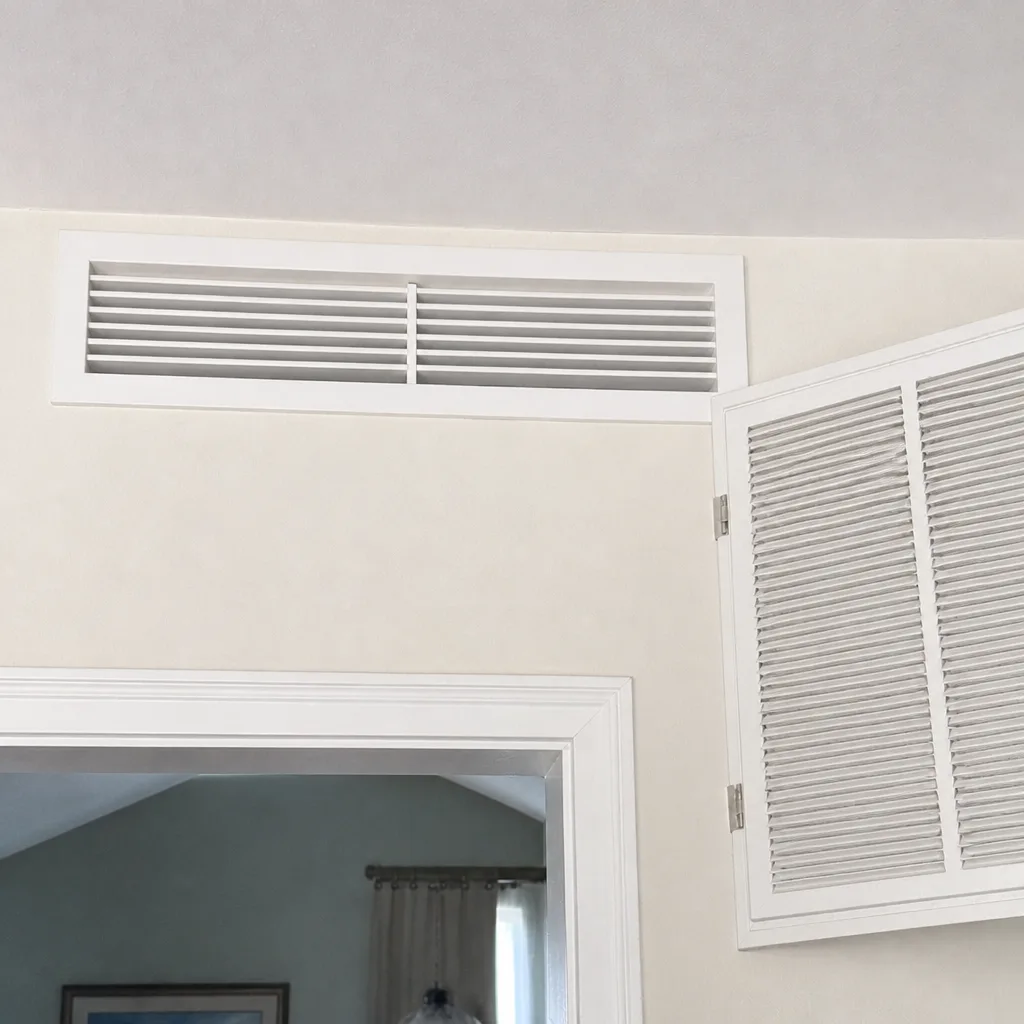
Whole-system duct and dryer vent check with before-and-after photos - you see exactly what came out of your vents
That "$99 whole-house special" is a bait ad - the real number appears once they are in your hallway, or the "clean" is a shop-vac at the register. We photograph the inside of your ducts before and after instead.
Air Duct Cleaning Warning Signs: A Carrollton Homeowner’s Reference Guide
By the time you can see dust curling off a supply register, the debris behind it has usually been sitting on your evaporator coil and blower wheel long enough to cost you airflow and money. The register is the last place a duct problem shows up, not the first. Most homeowners in Carrollton wait for that visible dust or a musty smell before they think about the system behind the walls. This guide is about the quieter signals you can read months earlier: how your utility bills trend, what each distinct smell actually means, why one bedroom runs hot while another stays cold, and what a flashlight and your phone can tell you at a return grille in about five minutes. You’ll also find the warning signs specific to Carrollton’s housing stock, broken out by the construction eras most common here.
Quick Answer
Air ducts in a Carrollton home usually need attention when you see three or more of these at once: utility bills climbing without a rate change, one or two rooms that never match the thermostat, a smell that returns after cleaning the register covers, visible dust streaks at the grille edges, or a system that’s been running in the same house for many years without a duct service. None of those prove a dirty duct on their own. Together, and tracked over a season, they point to restriction and coil fouling that a professional inspection can confirm. The single most reliable early indicator is a rising energy bill against steady usage, because it shows up before anything you can see.
Styles & brands we work with
- Whole-home duct cleaning
- Dryer vent cleaning
- Camera inspection
- Sanitizing & deodorizing
Table of Contents
- Your Utility Bill Is the First Warning Sign
- What Each Smell Tells You: Mold, Insulation, or Rodent
- Why Some Rooms Never Match the Thermostat
- The Flashlight-and-Phone Return Grille Inspection
- Warning Signs by Carrollton Housing Era
- Your Dryer Vent Is a Separate Warning Sign
- Common Mistakes to Avoid
- When to Call a Professional
Your Utility Bill Is the First Warning Sign
Restricted airflow makes your system work harder to move the same amount of air, and that shows up in your energy use before it shows up anywhere you can see. Track your monthly bills for a full cooling season and compare the same months year over year. A slow climb of a few percent sounds like rate increases, and sometimes it is. But when the usage line climbs while the rate stays flat, and the outdoor temperatures were similar both years, you’re looking at a system that’s losing efficiency. Restricted ducts and a fouled coil are two of the most common causes.
Here’s how to read the trend without guesswork:
- Pull twelve months of bills and write down both the total dollar amount and the actual usage figure (kWh for electric, therms for gas) for each month.
- Compare the same month across two or three years. Usage, not the dollar figure, is the honest number, because rates change and usage reflects the equipment.
- Flag any summer month where usage rose while the average outdoor temperature was similar or lower than the prior year.
- Look for a bill that spikes in the first hot week of the season and stays high, which points to a system straining from the start.
In a Carrollton summer, the air conditioner runs long and often, and a restricted return side forces the blower to pull against resistance all day. As the coil collects dust and the filter loads faster, the same house needs more runtime to hit the setpoint. That’s the earliest data point you have, and it’s free. If the trend is steady and unexplained, a duct inspection is the sensible next step. This is the kind of reading we do before ever sending a crew out, because a bill trend tells us whether to look at supply restriction or return-side fouling first. Commercial-grade equipment lets us confirm what the numbers suggest. We use air duct cleaning and inspection tools built for that job, not consumer vacuums.
What Each Smell Tells You: Mold, Insulation, or Rodent
Not every bad smell means the same thing, and each one calls for a different response. A musty, damp-closet smell that gets stronger when the air first kicks on points toward moisture and microbial growth, often on the coil, the drain pan, or damp duct liner. A dry, papery, dusty smell that shows up with the heat is more often degrading insulation inside the duct or at a joint where the liner has broken down. A sharp, ammonia-like or urine smell, sometimes with scratching at odd hours, points to rodents that have nested in or traveled through the ductwork. Treating all three the same way wastes money and misses the actual problem.
Matching the smell to the cause:
- Musty, earthy, damp: suspect moisture first. Growth needs water, so the fix is finding the source (a clogged condensate line, a wet pan, high indoor humidity) and then cleaning and, if needed, repairing the affected duct section.
- Dry, dusty, “hot insulation” smell: suspect failing internal duct liner or loose joints pulling air from unconditioned space. This is a duct repair question as much as a cleaning one.
- Ammonia, urine, or a sharp animal odor: suspect rodents. Cleaning alone won’t solve it; the entry points need to be found and sealed, and contaminated material removed and replaced.
- An exhaust or gasoline smell: this is not a duct cleaning issue. Stop and treat it as a safety concern and call the appropriate professional.
Why the distinction matters in Carrollton: many homes here sit on slab foundations where the air handler lives in a closet or the attic, and a slow condensate leak or a pan that doesn’t drain cleanly can keep a section of ductwork damp for months. That’s a moisture and mold problem that a routine cleaning won’t fix on its own. Some homes also run whole-home humidity control, and Honeywell and Aprilaire systems are common enough that we work alongside them regularly; a humidistat set too high can keep the whole system damp. When we clean, we contain dislodged material with Abatement Technologies filtration rather than pushing it back through the house, which matters most when the smell points to growth. If the odor returns within days of cleaning the grille covers, stop guessing and get the system inspected.
Why Some Rooms Never Match the Thermostat
A room that’s always a few degrees off can mean a dirty or restricted duct, a poorly balanced system, or ductwork that was never sized right for that room. These are different problems and they need different answers. The clue is in the pattern. A room that used to be comfortable and gradually drifted cold or hot points toward restriction or a failing joint. A room that has never been comfortable since the house was built points toward design and balancing. A room that’s hot in summer and cold in winter, in the same room, points toward a supply that’s dumping air in the wrong place or a return that’s starving that part of the house.
How to tell duct condition from sizing:
- Note which rooms are off and by how much, measuring with a cheap thermometer at the same time of day for a week.
- Check whether the drift started recently or has always been there. Recent drift leans toward duct restriction or a leak; lifelong drift leans toward design.
- Feel the airflow at the supply in the problem room versus a room that’s comfortable. Weak flow in one room while others are strong suggests a blockage, a crushed flex run, or a damper left part-closed.
- Look at the return path. A room with a weak return can’t get rid of its air, so it stays stuffy and warm even with good supply.
Carrollton’s two-story homes built in the 1990s and 2000s often have long flex runs to upstairs bedrooms, and those runs are the first to sag, crush, or kink as they age. When a run is restricted, the room behind it never gets its share of air no matter how the equipment is set. That’s a duct issue, and it’s fixable. If the room was comfortable for years and then wasn’t, the equipment didn’t suddenly become the wrong size. Something in the path changed. That’s a strong reason to have the ductwork looked at by a specialist who can both clean and repair it, rather than a generalist who only cleans. We can frequently patch or restore a compromised run during the same visit as the cleaning.
The Flashlight-and-Phone Return Grille Inspection
You can gather real data about your return ducts in about five minutes with a flashlight and the camera on your phone, no special tools required. This inspection gives you a picture to compare before and after any service, and it tells a professional where to focus. It won’t tell you the whole story – the coil and blower wheel are out of reach – but it’s a fair starting point.
Here’s the routine:
- Turn the system off at the thermostat.
- Remove the return grille cover, usually a couple of screws or a lift-out frame. Set the screws somewhere you won’t lose them.
- Shine the flashlight into the duct and photograph what you see with the phone. Use the flash.
- Look for dust buildup on the duct walls, visible debris or construction dust, dark staining that suggests moisture, and torn or collapsed liner or flex.
- Snap a picture of the grille’s back side too – the dust matted there tells you how fast the system is loading.
- Put the grille back and turn the system on. Note whether airflow feels strong or weak at the open frame before you reinstall it.
Keep those photos. A professional who shows up should be able to document what they find, and a reputable company will be willing to show you before-and-after photos of your own ducts rather than a stock image from a brochure. In our experience, the photo you take at the return grille is often the most useful thing a homeowner brings to the conversation, because it shows how much dust has packed onto the surface over time. Do not open the air handler cabinet or reach into the coil yourself – the blower and coil can be sharp, and the electrical components inside are dangerous to handle without training. Leave that part to a technician. If your photos show heavy debris, torn liner, or moisture staining, that’s when to get a professional inspection.
Warning Signs by Carrollton Housing Era
The age and style of a home tells you which duct problems are more likely, and Carrollton has a spread of housing stock that gives you a map of what to watch. The construction era isn’t a guarantee of a problem, but it does tell a specialist where to look first. Three broad groups come up most often here.
1970s slab homes. Many of these have metal ductwork in the slab or a low attic run, and after several decades the joints, seams, and any fiberglass liner can break down. Watch for cold spots on the floor above a supply, a fine dust that collects on everything after the system runs, and a metallic or dusty smell with the heat. Slab ducts can also pull in soil or damp air at failed joints, so a musty smell in a 1970s slab home is a good reason to have the duct checked, not just cleaned.
1990s two-story homes. These often have long flex runs to upstairs bedrooms and a central air handler in the attic or a closet. Watch for upstairs rooms that never catch up, crushed or sagging flex at bends, and condensation or damp insulation near the attic unit. In a Carrollton summer, a poorly sealed attic run loses cold air before it ever reaches the register, which shows up as a warm bedroom and a system that runs long.
2000s newer development homes. Newer construction tends to have tighter sealing and a central air handler, but it’s also most likely to have residual construction dust in the ducts from the build. Watch for a first-year pattern of heavy register dust, allergy-type irritation that appears only indoors, and filter loading faster than expected. If the home has never had a duct service since it was built, the first cleaning often comes as a surprise in how much build debris comes out.
The common thread across all three eras: in each case, the visible sign at the register is the last thing you notice. The bill trend, the room imbalance, and the smell show up first. That’s why a professional assessment starts with your data, not a sales pitch. A specialist who works Carrollton homes should recognize these eras on sight and know what to check in each.
Your Dryer Vent Is a Separate Warning Sign
Air ducts and dryer vents are different systems with different risks, and the dryer vent is the one with a genuine fire hazard. Your dryer pushes hot, lint-filled air out through a vent line, and when lint backs up or the line is crushed or routed badly, that heat has nowhere safe to go. If clothes take two cycles to dry, the outside vent flap doesn’t open strongly, or the top of the dryer feels hot, the vent is restricted. Those are the practical signs to watch for.
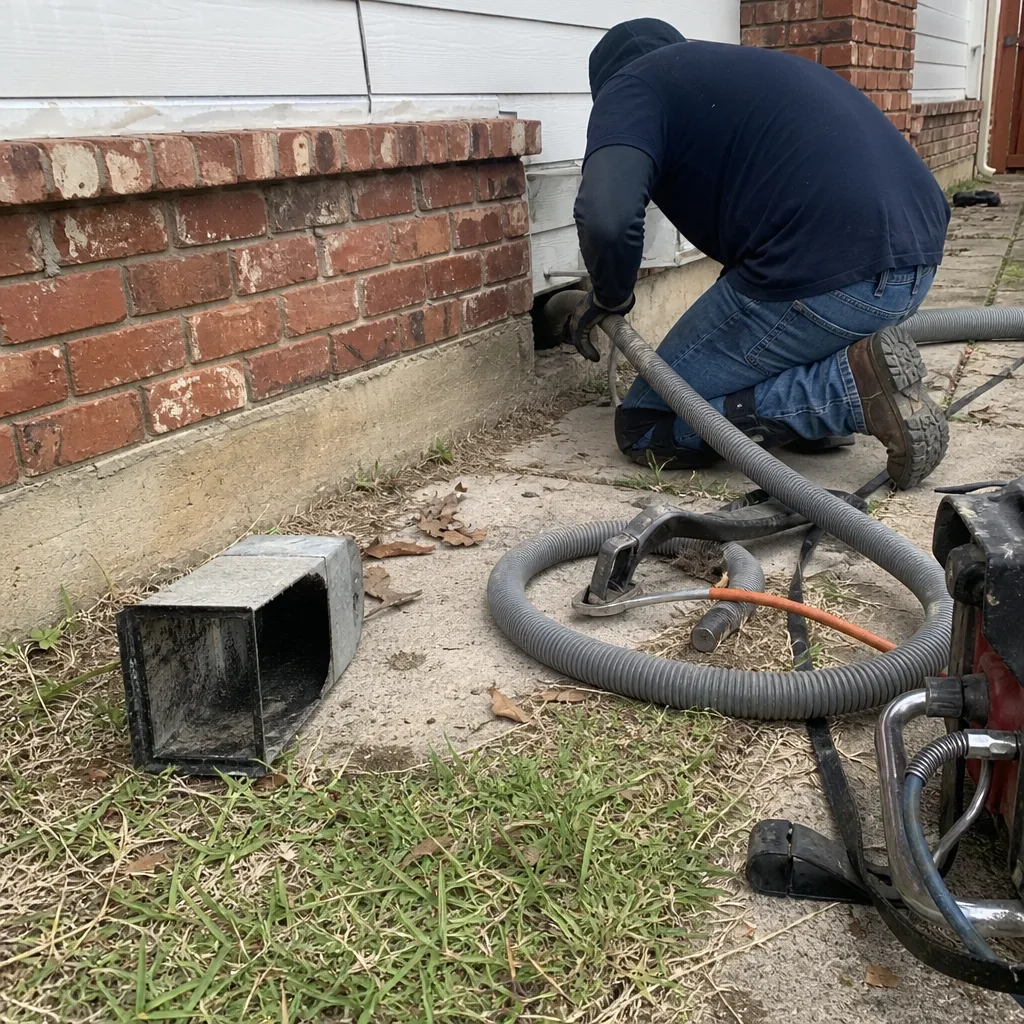
A dedicated dryer vent cleaning is not the same as vacuuming the lint trap. A proper service runs a rotary brush and vacuum through the full length of the vent, from the dryer connection to the exterior flap, and checks the run for crushed flex, sags, or a termination that’s blocked. It’s a short job and a separate one from air duct cleaning, and it deserves the same systematic approach. We treat dryer vent cleaning as its own service because the risk is its own kind, and because a clogged vent underneath a home can quietly build up for years. If your dryer’s vent terminates under the house or in a crawl, or you can’t see daylight through the flap when you open it, that’s a call worth making.
Common Mistakes to Avoid
- Waiting for visible dust before calling. The register is the last place debris shows up. By the time you see it, the coil and blower have usually been loading for a while, so track your bill trend and room balance instead.
- Treating every smell the same. Mold, failing insulation, and rodents need different fixes. Cleaning without finding the source (moisture, a broken joint, an entry point) means the smell comes back.
- Confusing a cheap quote with a good one. A very low per-vent price often means a small crew, light equipment, and no real containment. Ask what equipment they use and whether they contain dislodged material instead of blowing it through the house.
- Assuming an HVAC tune-up covers the ducts. A tune-up checks the equipment. A duct specialist checks and cleans the system behind the walls. They’re different jobs and one doesn’t substitute for the other.
- Ignoring a crushed upstairs flex run in a 1990s two-story Carrollton home. It’s the most common cause of a bedroom that never catches up, and cleaning alone won’t fix a run that’s been kinked for years. It needs repair, not just a pass with a vacuum.
- Forgetting the dryer vent entirely. It’s a separate system with a real fire risk. If you can’t remember the last time it was cleaned, that’s a sign in itself.
- Hiring a generalist who only cleans and can’t repair. If the photos show torn liner or a failed joint, you want a company that can seal or restore the duct during the same visit, not one that has to hand you off to someone else.
When to Call a Professional
Call a professional when you see any of these: a utility bill trend that climbs without a clear reason, two or more rooms that never match the thermostat, a smell that returns after you clean the grille covers, visible debris or dark staining in a return duct, or a home that’s never had the ducts serviced. Call right away if a smell is sharp or chemical, or if you see rodents or droppings near a duct opening. And don’t overlook the dryer vent: if it takes two cycles to dry a load or the outside flap barely moves, get it cleaned. We clean and, when needed, repair the ducts during the same visit, using professional-grade Rotobrush and Nikro equipment, with Abatement Technologies containment so dislodged dust is captured rather than spread. Duct Cleaning Carrollton offers free estimates in Carrollton. Call (866) 580-7041 to book one.
See the difference
 Before
 After
 Before
 After
 Before
 After
Frequently Asked Questions
You need cleaning when several warning signs line up: a rising bill with steady usage, rooms that don’t match the thermostat, a returning smell, and visible debris at the return grille. Any one of those is worth checking; three or more together is a clear signal. A free estimate gives you a straight answer before anyone touches the system.
Pricing is set per job by a written estimate after we look at the system, so a real quote depends on the number of runs, the access, and whether any repair is needed. We give you one flat price for the whole system, agreed before any work starts, and we don’t quote per-vent teaser prices. Call (866) 580-7041 for a free estimate and a clear number.
Very low quotes usually mean light equipment, no containment, and a crew that runs a shop vac over the grilles and moves on. Professional duct cleaning means rotary brush cleaning and real vacuum power, with the dislodged material captured, not pushed back into your rooms. A cheap quote tends to be a different job than the one that actually helps. Ask what equipment they use, and call us at (866) 580-7041 if you want to compare.
You should get photos of your own ducts, before and after, and you should be able to walk through what was found. A company that documents the work lets you see the difference in your own system. Ask for before-and-after photos before you book, and call (866) 580-7041 for an estimate that comes with that record.
Most homes benefit from a cleaning every few years, and a home with pets, smokers, or a recent renovation may need it sooner. The better guide is the warning-sign list in this guide: if the bill trend, room balance, and smell point the same way, it’s time regardless of the calendar. Call (866) 580-7041 and we’ll talk through your situation with a free estimate.
An attic air handler can, because hot attic air and any small leaks at the unit let more dust and humidity into the system, and warm return runs lose efficiency. If your air handler is in a hot attic, watch for damp insulation, condensation, and a running-long pattern in summer. A quick inspection confirms whether the attic side needs attention; call (866) 580-7041 for a free estimate.
The Bottom Line
The core of this guide is simple: the signs most homeowners watch for aren’t the first ones to appear. Your utility bill trend, a room that gradually stopped matching the thermostat, a smell that comes back, and the photos you can take at the return grille all show up before visible dust does. Read them together, over a season. Carrollton’s mix of 1970s slab homes, 1990s two-story builds, and 2000s newer construction each carry their own watch points, and the fix is often cleaning plus repair on the same visit. And keep the dryer vent on its own schedule, because it carries its own real risk. When the signs line up, get a straight answer: Duct Cleaning Carrollton gives free estimates. Call (866) 580-7041. We answer 24/7. Fast dispatch from 7am to 7pm, Sunday through Friday, closed Saturday.
Written by the team at Duct Cleaning Carrollton, serving Carrollton since 2012.