
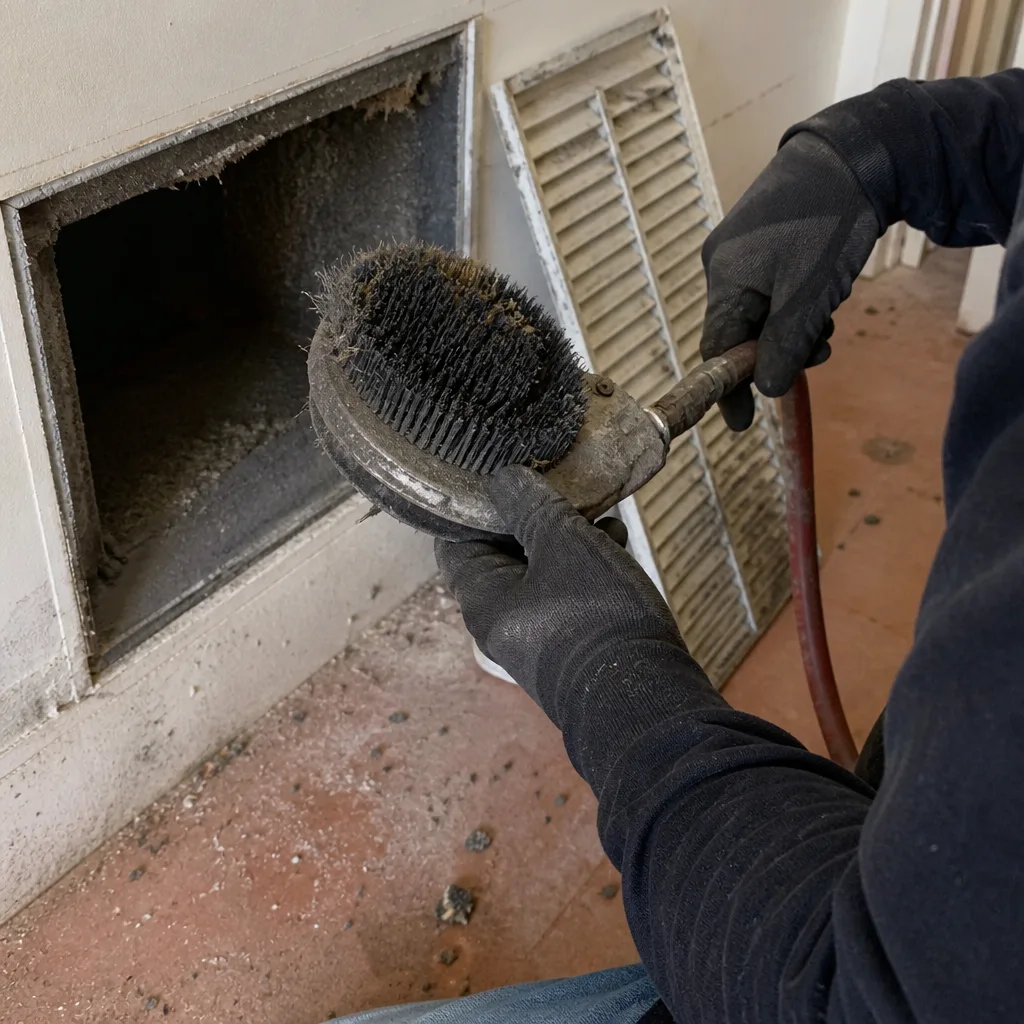
Last updated November 14, 2026
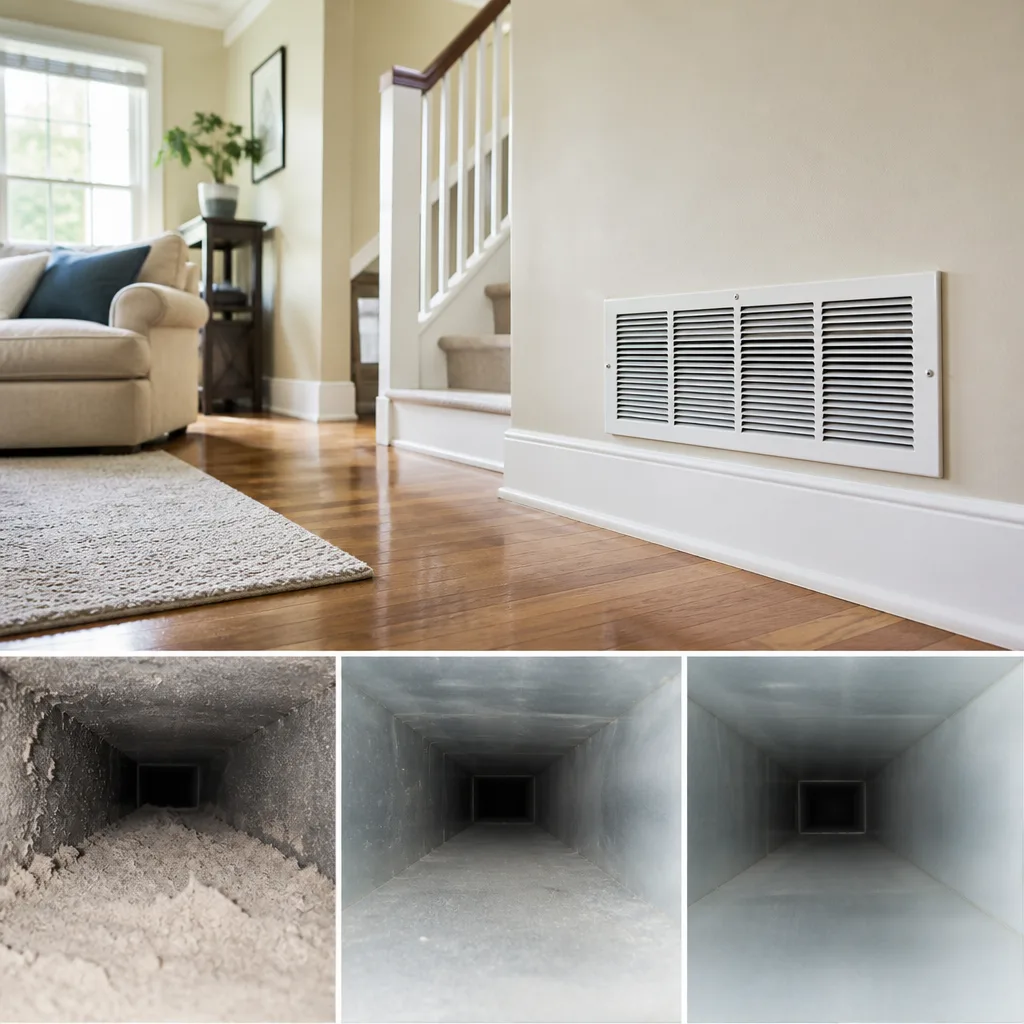 Whole-home duct cleaning
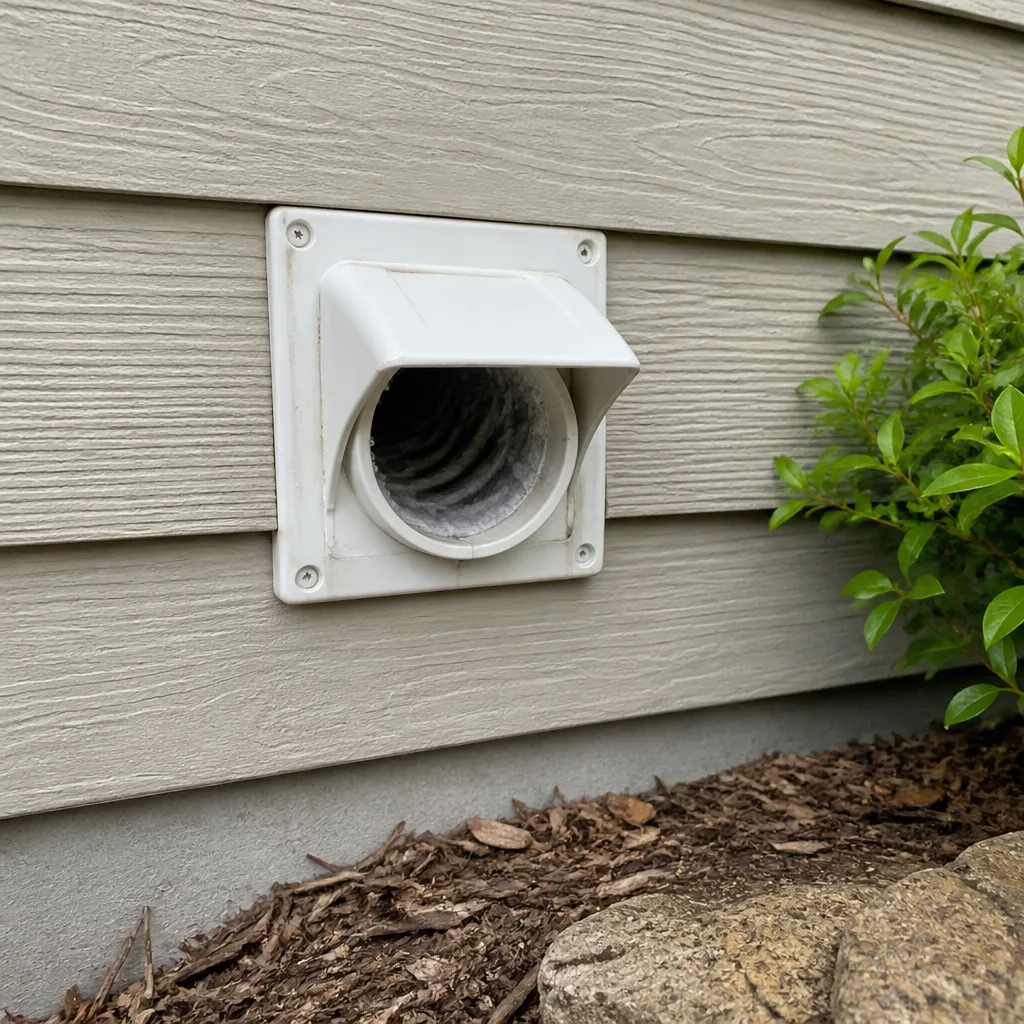 Dryer vent cleaning
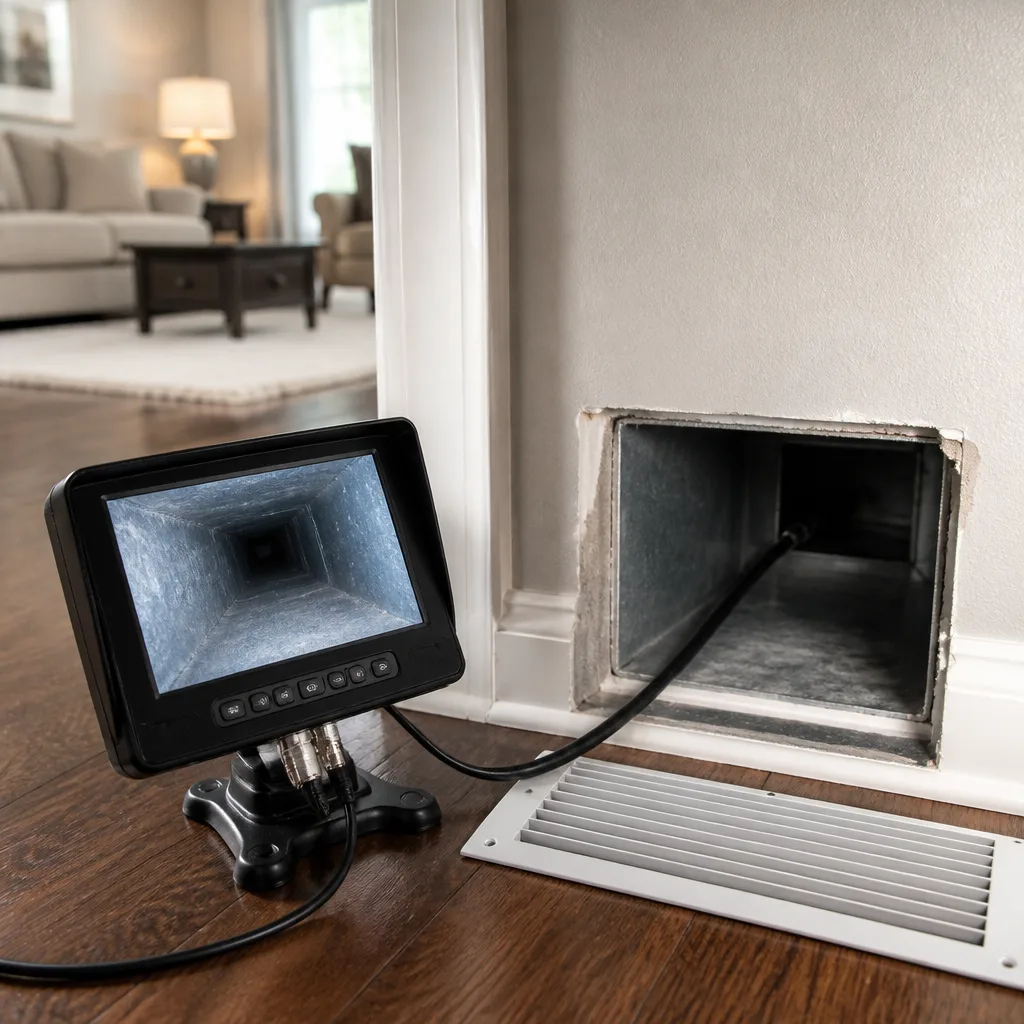 Camera inspection
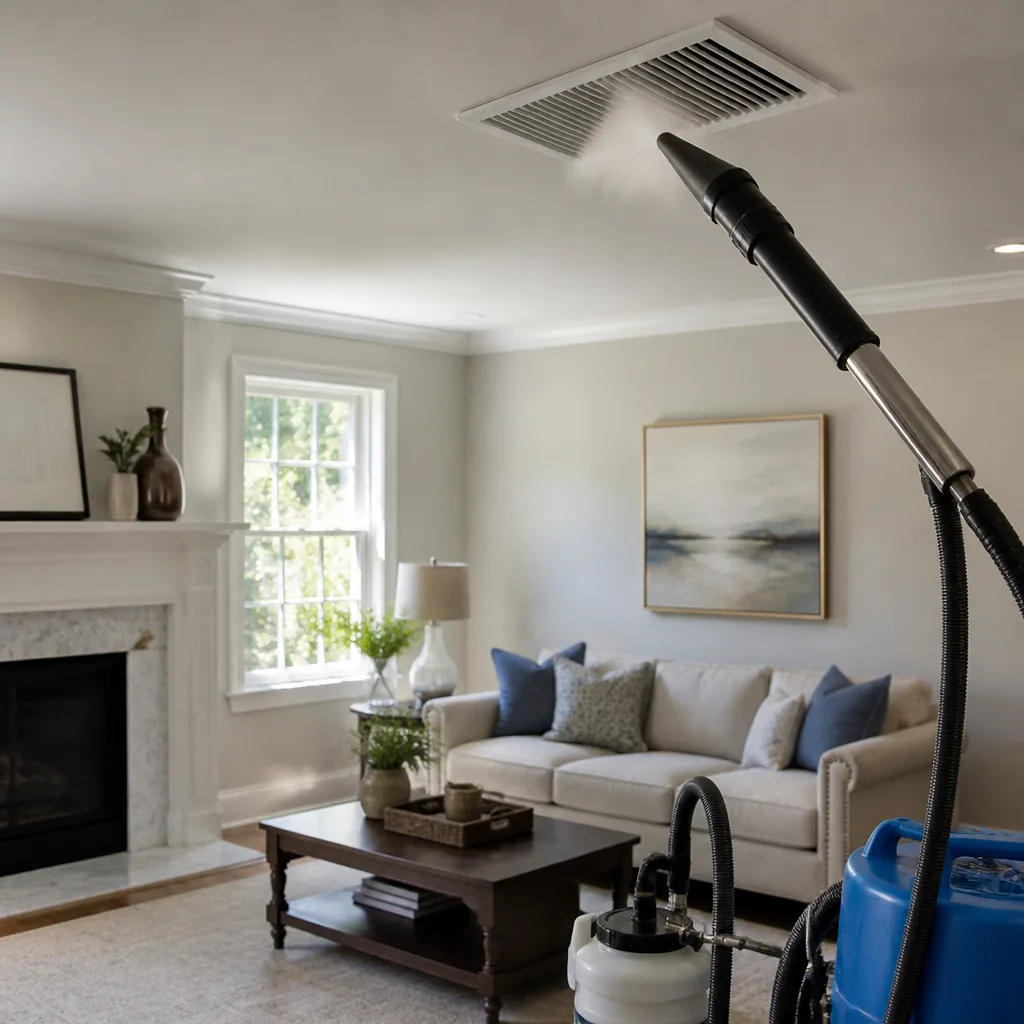 Sanitizing & deodorizing
Whole-system duct and dryer vent check with before-and-after photos - you see exactly what came out of your vents
That "$99 whole-house special" is a bait ad - the real number appears once they are in your hallway, or the "clean" is a shop-vac at the register. We photograph the inside of your ducts before and after instead.
The Complete Guide to Air Duct Cleaning in Carrollton
Two houses can sit on the same Carrollton street, look identical from the curb, and hold completely different duct systems behind the drywall. A 2,400 square foot home built in 2004 with long runs of flex duct needs a different cleaning method, a different machine setting, and a different conversation than a 1990s house with rigid sheet metal and short trunk runs. Yet most companies quote both of them the same way over the phone, which tells you everything about how seriously they treat the job.
This guide maps the variables that actually matter here: duct material, system age, construction style, and the North Texas air that cycles through every house in Carrollton. You’ll learn what a real cleaning accomplishes, what the ACR standard really says, how to read an inspection report, and where cleaning alone falls short without a look upstream at filtration.
Quick Answer
Air duct cleaning in Carrollton is a source-removal job: a crew uses negative-pressure vacuum equipment and mechanical agitation to pull accumulated dust, debris, and biological growth out of the duct system, then documents the result with before-and-after photos. It’s worth doing when you’ve seen visible buildup, noticed reduced airflow or rising dust, or gone years without service. A real cleaning matches its method to your duct material, and it should always begin with a documented inspection.
Styles & brands we work with
- Whole-home duct cleaning
- Dryer vent cleaning
- Camera inspection
- Sanitizing & deodorizing
Table of Contents
- Why Carrollton Homes Collect Duct Debris Differently
- Flex, Sheet Metal, or Fiberboard: Why the Method Must Match the Material
- What NADCA’s ACR Standard Actually Says
- How to Read a Pre-Cleaning Inspection Report
- What a Proper Cleaning Looks Like, Step by Step
- Why Cleaning Without Upstream Filtration Produces Short-Lived Results
- What Air Duct Cleaning Costs in Carrollton
- The Signs You Actually Need It
Why Carrollton Homes Collect Duct Debris Differently
Carrollton sits on clay-heavy soil, and that single geological fact shapes what ends up inside your ductwork. Clay soil expands and contracts with moisture swings, and that movement shows up in houses as small foundation shifts, hairline cracks at wall and ceiling joints, and gaps around penetrations. Those gaps let outside air, and everything suspended in it, seep into the return side of the system. In a market where the soil moves, duct leakage is less an if and more a where.
Then there’s the seasonal allergen pattern. North Texas spring brings a heavy pollen load, and the prevailing winds carry it across open lots, parkland, and construction sites throughout Carrollton. If your return grille pulls air through a filter that’s dirty or seated poorly, some of that load bypasses the filter and lands inside the ducts. It settles on horizontal runs and along the bottom of vertical drops, accumulating year after year.
Construction is another factor specific to growing suburbs. New build and renovation activity near established neighborhoods kicks up fine drywall dust and silica. That dust is abrasive, and in a duct system it coats surfaces and gets pulled into blower assemblies.
What this means practically:
- Homes near active construction hold a different debris profile than settled neighborhoods.
- Houses with foundation movement often have duct leakage at connection points, which raises the debris load.
- Spring pollen peaks mean the filtration upstream of your ducts matters more than most people realize.
- Older homes with original ductwork carry decades of accumulation that no single cleaning completely reverses.
The takeaway is that no two Carrollton houses have the same starting condition. That’s why an inspection has to come before a quote.
Flex, Sheet Metal, or Fiberboard: Why the Method Must Match the Material
The single biggest variable in how a cleaning job should be run is duct material, and it’s the variable most companies skip entirely. Each material responds to different tools, different agitation, and different vacuum pressures. Get it wrong and you can damage a duct that would otherwise have lasted decades.
Flexible Duct
Flex duct is corrugated and flexible, typically installed in long runs with wide spacing between supports. It’s forgiving to install but unforgiving to aggressive cleaning. Rotary brush systems must be run at controlled speed and pressure so the brush follows the corrugation rather than tearing the inner liner. When flex runs are sagging or kinked, the low point collects debris, and the cleaning has to reach that sag. Our air duct cleaning work approaches flex runs with equipment tuned for the material, because a heavy-handed brush does more harm than good here.
Rigid Sheet Metal
Sheet metal ductwork is the most durable and the most responsive to mechanical cleaning. Rotary brush systems spin through the runs, scrubbing the interior walls. Sheet metal seams and elbows are where debris packs in, so the cleaning has to be thorough at every joint. Sheet metal also transmits sound, which is why a properly cleaned metal system often sounds noticeably different afterward, in a good way.
Fiberboard Duct
Fiberboard is the most delicate. Its interior surface is soft and porous, so anything abrasive damages the liner and can leave the duct worse off than before. Cleaning fiberboard requires gentler agitation, careful vacuum control, and a close eye on surface condition. If the liner is already compromised, cleaning may not be the right answer. Repair or replacement of the affected section may be.
Matching the Method to the Material
- Inspect each section and note the material run by run, not system-wide as a single assumption.
- Set agitation type and speed to the material, using rotary brush for metal and controlled contact for flex and fiberboard.
- Connect negative-pressure vacuum so the whole system is under suction before any agitation begins.
- Move section by section, from furthest run back toward the main trunk and air handler connection.
- Confirm each section is clean before moving to the next.
If a company can’t tell you what material your ducts are made of after an inspection, they can’t tell you how they’ll clean them.
What NADCA’s ACR Standard Actually Says
NADCA’s ACR standard (the Assessment, Cleaning, and Restoration standard) is the reference document for how a professional duct cleaning should be run. It’s also the document most companies cite without reading. You’ll hear a lot of “we follow NADCA standards” from crews who can’t describe a single procedure inside it.
The core of the standard is the order of operations. Assessment comes first, before cleaning. The system must be inspected to establish its condition, its material composition, its accessibility, and any pre-existing damage. Cleaning follows, using negative-pressure vacuum with mechanical agitation, with the system under containment so dislodged debris is captured rather than blown into living space. Restoration comes after, addressing any damage found during the assessment or created during cleaning.
What most companies get wrong:
- They skip the assessment and move straight to cleaning. That means no baseline, no proof of improvement, no way to catch a pre-existing hole before the vacuum finds it.
- They treat the standard as a marketing phrase rather than a sequence. Assessment, cleaning, restoration has to happen in that order for the result to hold.
- They don’t document. A standard that says “assess” means you should end up with an assessment on paper.
- They clean without containment, meaning whatever comes loose gets pushed into the house rather than pulled out of it.
We run to the standard because that’s the version that actually cleans the system. We use Abatement Technologies containment during service so dislodged particulates are captured, not recirculated into your living room. That’s the standard doing its job.
How to Read a Pre-Cleaning Inspection Report
A pre-cleaning inspection is the most useful document in the whole process. It’s what separates a professional job from a guess. Here’s what a report should cover, and what each piece tells you.
- Access points. Every cut into the system should be listed: where it was made, why, and how it will be sealed afterward. If the report doesn’t name its access points, ask why.
- Material mapping. Which runs are flex, metal, or fiberboard. This is the piece most reports leave out, and it’s the piece that determines how the cleaning gets done.
- Debris condition. Visible buildup, the type of debris (dust, biological growth, construction dust), and the severity at each section. Photos of the interior before any work is the standard for a real report.
- Existing damage. Liner tears, disconnected joints, collapsed flex runs, water staining. Anything already wrong should be documented before the crew touches it.
- Filtration status. The state of the filter, the filter housing, the return grille. If the filter is bypassing or the housing is undersized for the system, that goes in the report.
- Air handler condition. The blower wheel and evaporator coil should be visually assessed. A dirty blower wheel can undercut a perfectly good duct cleaning.
- Proposed scope. Which sections will be cleaned, how, and what will be done about any damage.
If you’re asked to approve cleaning without any of these, you’re being asked to buy on faith. That’s the exact scenario we walked through when building our own duct cleaning in Carrollton process: inspection first, written scope second, cleaning third, photos after. Anything short of that is guesswork.
What a Proper Cleaning Looks Like, Step by Step
Here’s the sequence a correctly run job follows, start to finish. If a crew shows up and skips straight to cutting into a duct, they’ve already veered off the standard.
- Walk-through and inspection. Every accessible run is inspected, materials identified, damage photographed, filtration checked.
- Containment setup. Negative-pressure containment goes up at the air handler or main trunk connection so the entire system is under suction.
- Access creation. Holes are cut at planned points to reach every run. All cuts are sealed at the end.
- Agitation. Rotary brush agitation runs through each section. For flex and fiberboard, agitation is gentler. For metal, a full rotary brush pass.
- Vacuum extraction. Nikro professional vacuum systems pull the loosened debris out of the system under negative pressure. That’s the same equipment class used in commercial and restoration work, not a shop vac scaled up.
- Air handler and coil review. The blower and coil are examined. If they’re matted with debris, that’s noted, since a dirty blower reintroduces the problem faster than a clean duct can solve it.
- Repair and sealing. Any liner damage, disconnected joints, or compromised sections get fixed on the same visit. This is where having a crew that also handles duct repair matters. We clean it, and if it needs repair, we fix it, same visit.
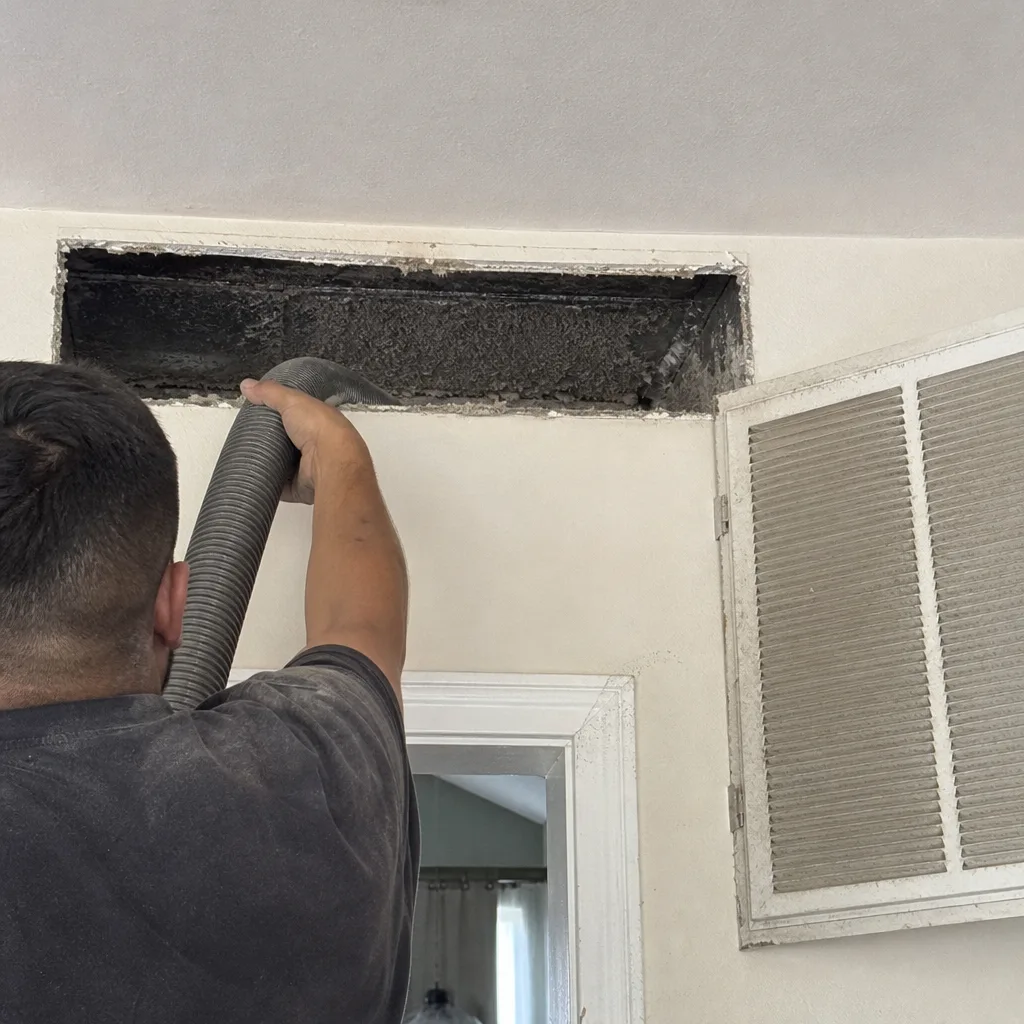
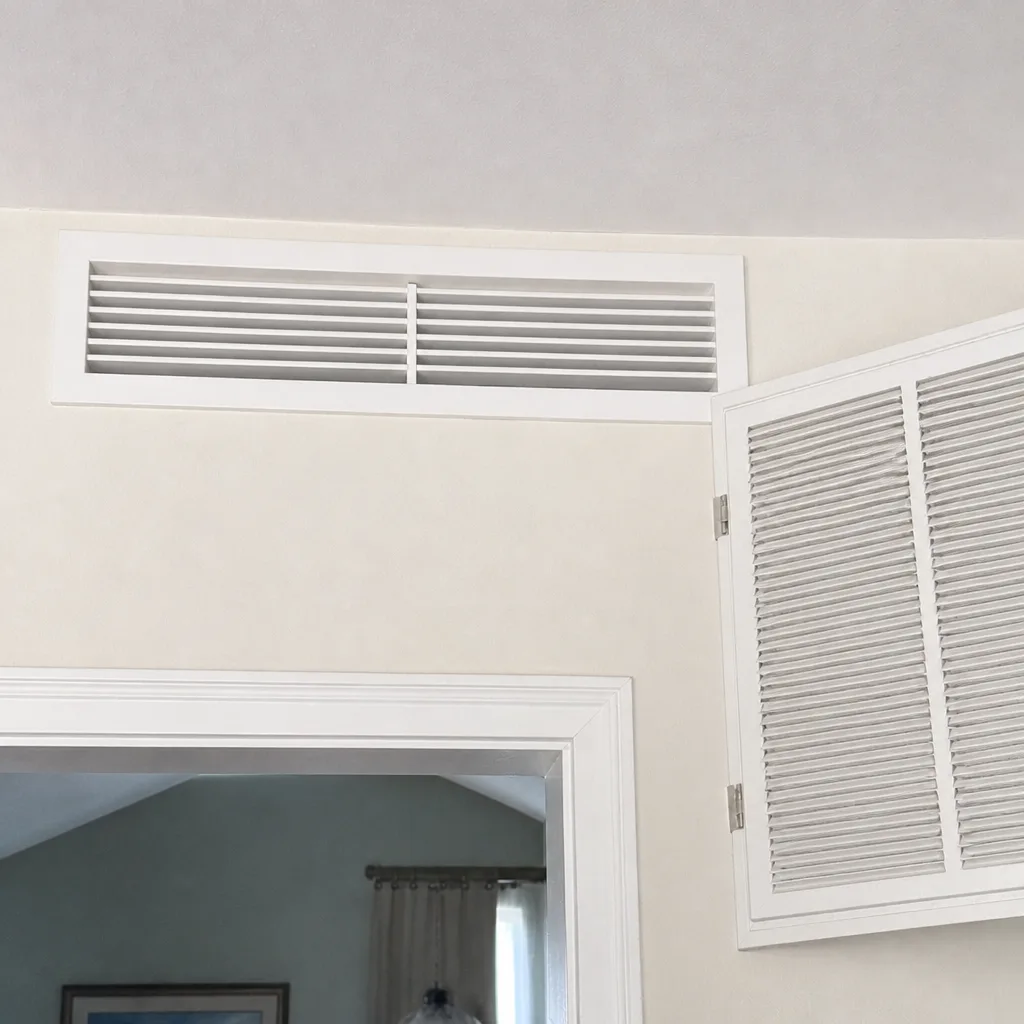
- Before-and-after photos. Interior photos of the same sections before and after, so you can see what was done. Not a generic stock photo of a duct, but the actual runs in your house.
- Filtration check. Filter replaced or confirmed, housing inspected, air quality equipment reviewed.
The system is running on the same day, with cleaner interior surfaces and sealed access points. If a company skips steps three through nine, that’s not duct cleaning. That’s a sales call.
Why Cleaning Without Upstream Filtration Produces Short-Lived Results
Here’s the thing most homeowners learn the hard way: cleaned ducts stay clean only if the filter upstream is actually filtering. Cleaning pulls the debris out. Filtration is what keeps it from coming back at the same rate.
Most residential systems have a return-side filter of some kind. But “a filter exists” and “a filter is filtering” are two different things. Filters that are undersized for the system, seated poorly in the housing, or simply bypassed around the edges allow unfiltered air straight into the return. That air carries the pollen, dust, and construction debris that ends up in the ducts. Cleaned ducts with a bypassed filter and a dirty blower will be dirty again faster than you’d expect.
Systems built with whole-home air quality equipment, like Honeywell and Aprilaire setups, integrate filtration and sometimes humidification into the return path. Those systems need to be checked during a duct cleaning so the cleaning work doesn’t undercut the filtration, and vice versa. If the equipment is properly installed and maintained, the whole system works together. If it’s neglected, cleaning alone is a temporary repair.
What to do:
- Confirm the filter is correctly sized for the system and fully seated in the housing.
- Check for bypass around the filter edges, which is common in undersized or poorly fitted housings.
- Verify the blower wheel and evaporator coil are in good condition, not matted.
- If whole-home filtration equipment exists, have it reviewed at the same time.
- Keep to a filter change schedule that fits your household. A house with pets and open windows needs a more frequent schedule than one without.
Cleaning handles the accumulated problem. Filtration handles the ongoing one. Both belong in the same conversation.
What Air Duct Cleaning Costs in Carrollton
Air duct cleaning is priced per system, not per vent, and that distinction matters more than any other line on a quote. Per-vent pricing encourages a company to sell you more vents and do less per vent. Per-system pricing sets the job on scope, and scope is set by the inspection.
Typical price ranges for a residential whole-system cleaning in the Carrollton market:
| Scope | Typical Estimated Range |
|---|---|
| Whole-system cleaning, standard single-story home | Priced per system after inspection |
| Whole-system cleaning, two-story home with multiple zones | Priced per system after inspection |
| Air duct repair (sealing, patching, reconnecting) | Quoted by scope and material |
| Dryer vent cleaning | Quoted per vent run and access |
We don’t quote a teaser number over the phone. The price is set per job by a written estimate after inspection, agreed before any work starts, and the written estimate is the final price. One flat price per system, no per-vent charges, with before-and-after photos of your own ducts so you can see what was done. Compare that to a coupon price that turns into a larger invoice once the van is on your Carrollton driveway. That’s the industry’s reputation problem, and the only defense is a documented scope and a written number.
When comparing quotes, ask three things: is the price per system or per vent, what does the written scope include, and will you get before-and-after photos of the actual runs. If a company can’t answer those three, the number on the quote isn’t the number you’ll pay.
The Signs You Actually Need It
Duct cleaning gets oversold, so it’s worth being clear about when it’s actually the right call. These are the conditions that justify it.
- Visible buildup at the grilles. If you can see dust or debris on the supply or return grilles after cleaning them, it’s coming from behind the wall.
- Reduced airflow. Rooms that used to heat or cool evenly and now don’t, particularly when the system itself is otherwise running normally.
- Rising dust in the house. Dust settling faster than it used to, especially near supply registers.
- Allergy symptoms that track the seasons. Spring pollen peaks in Carrollton make this one more visible than elsewhere, but the underlying buildup is what drivers it.
- Recent renovation or new construction. Drywall dust and construction debris move through the system quickly.
- Years without service. If the ducts haven’t been touched in a decade or more, the condition is worth inspecting.
What doesn’t justify a call: a salesperson at the door with a “we noticed your neighborhood” pitch, or a coupon that expires this week. Duct cleaning is a scheduled maintenance decision, not an emergency.
Common Mistakes to Avoid
- Buying on a per-vent quote. Per-vent pricing rewards selling more vents and doing less per vent. Per-system pricing with a written scope is the only version that holds up.
- Skipping the inspection. A quote without an inspection is a guess. Any real company inspects the system, documents what it finds, and quotes from that.
- Letting a crew clean without containment. Without Abatement Technologies containment or equivalent, dislodged debris gets redistributed through the house. That’s how a cleaning makes the air worse, briefly and unnecessarily.
- Assuming a single method fits every material. Flex, sheet metal, and fiberboard respond differently. A company that cleans everything the same way is either over-cleaning one material or under-cleaning another.
- Ignoring the filtration side. Cleaned ducts with a bypassed filter and a dirty blower will be dirty again fast. Cleaning and filtration have to be addressed together.
- Overlooking the dryer vent. Dryer vent cleaning is a separate system, and a clogged vent is a real household fire risk. It deserves the same systematic approach as the ducts, not an afterthought at the end of a duct cleaning.
- Believing “we follow NADCA” without asking what that means. Ask them to describe the ACR sequence. Assessment, cleaning, restoration, in that order, with documentation.
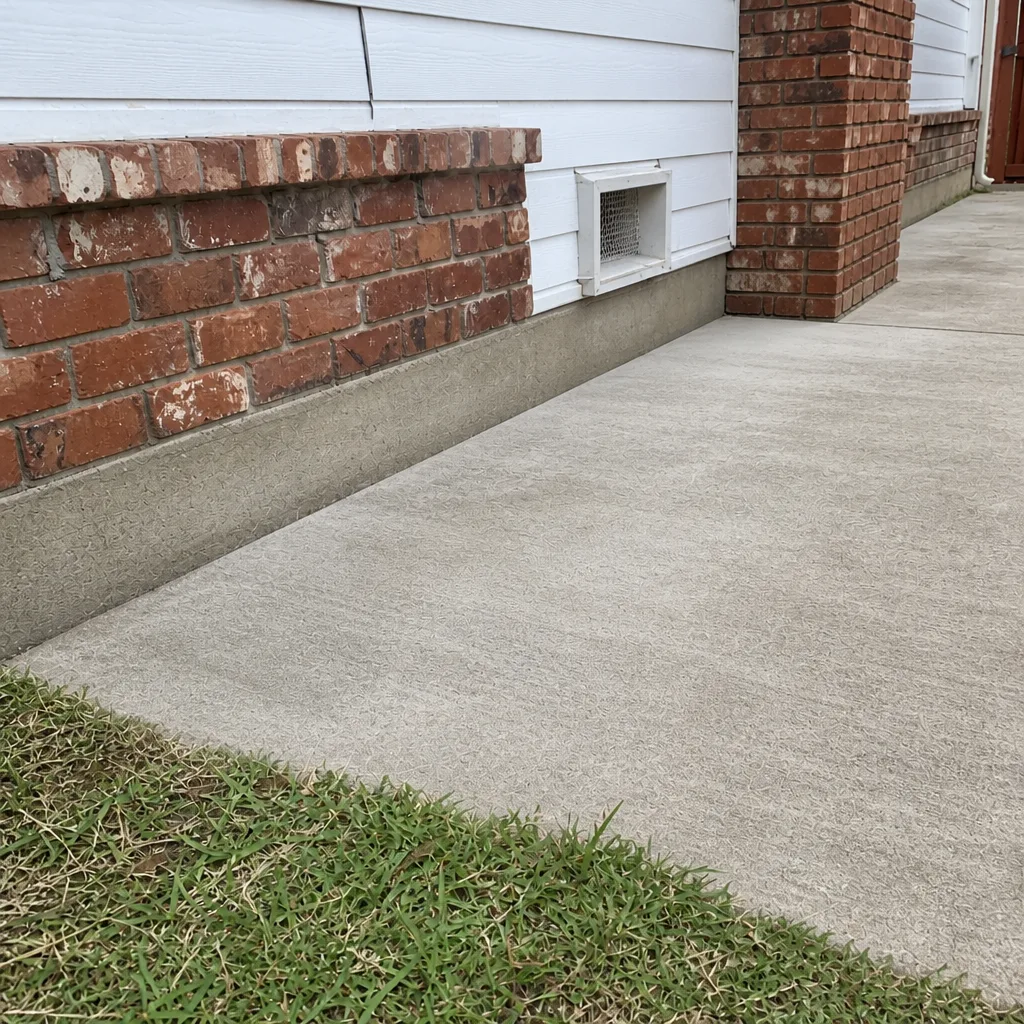
See the difference
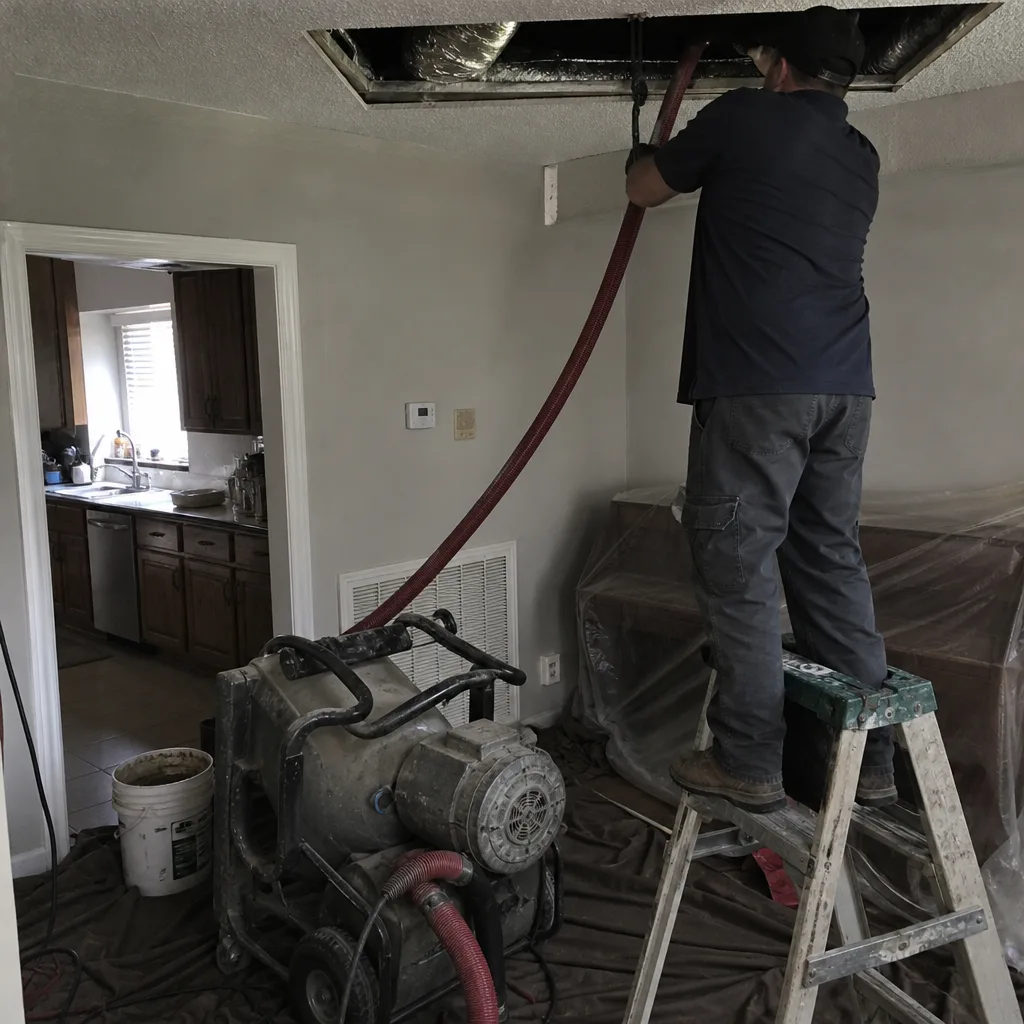 Before
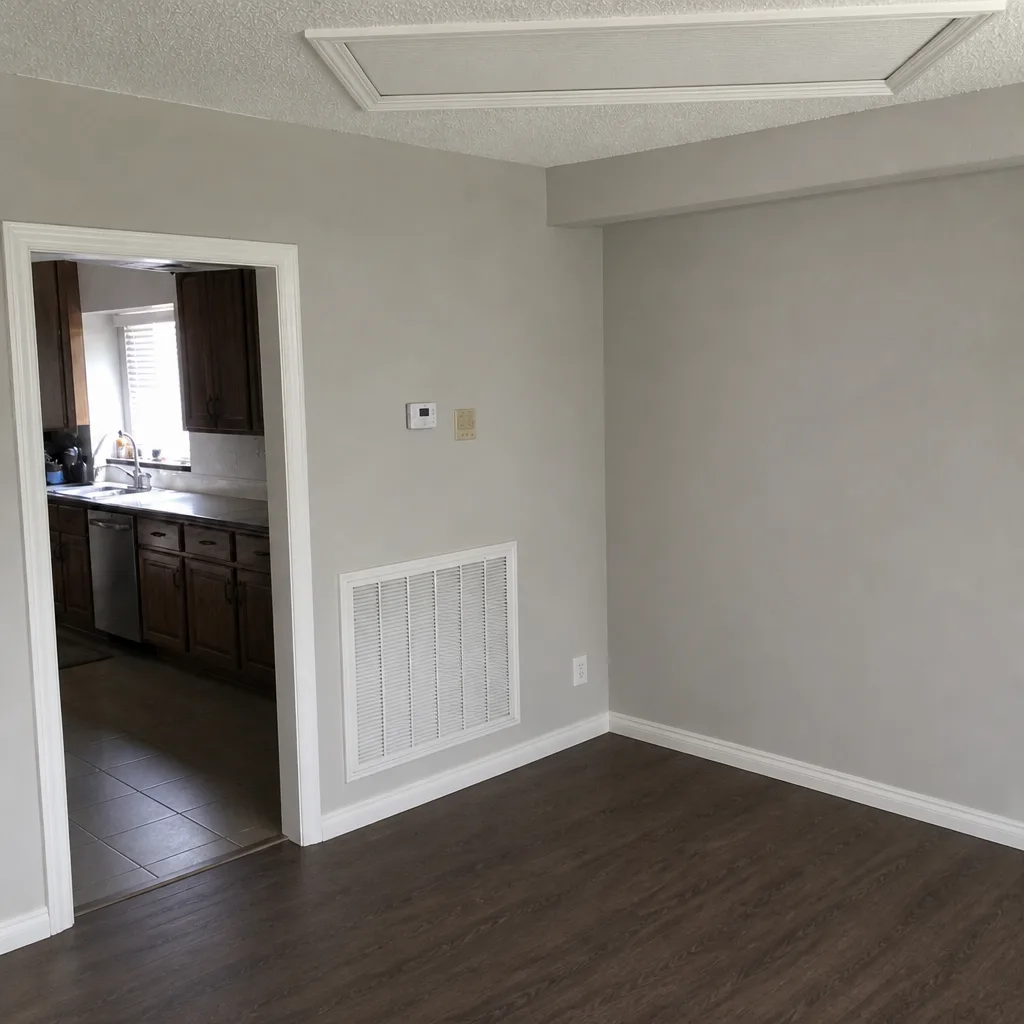 After
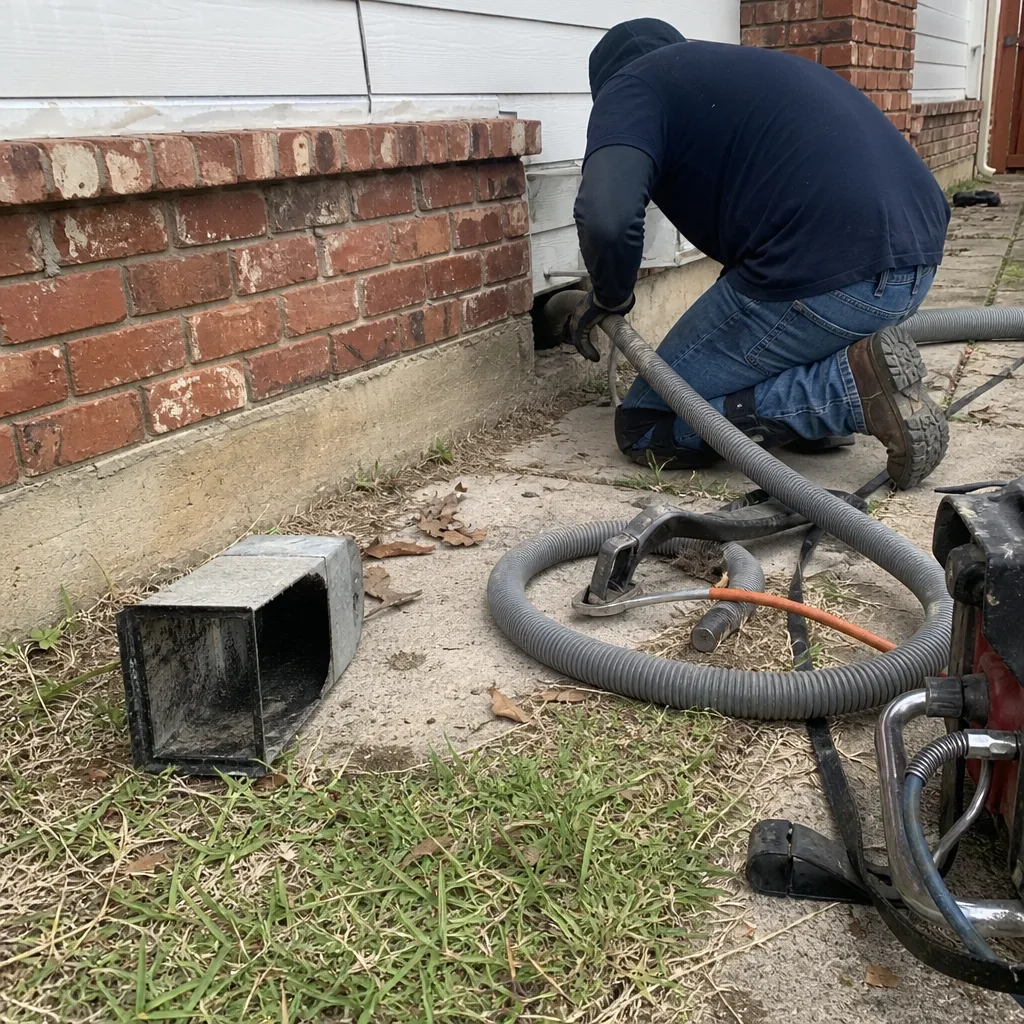 Before
 After
 Before
 After
When to Call a Professional
Some of the findings above point clearly to a professional call: visible buildup that reappears after you clean the grilles, uneven airflow that follows a specific run, a dryer that takes noticeably longer to dry clothes, or a system that hasn’t been serviced in a decade. Foundation movement in Carrollton means disconnected or cracked ductwork is more common than people expect, and a compromised connection is best found by inspection, not by crawling into the attic. The other clear case is damage: liner tears, collapsed flex, disconnected joints. Cleaning without sealing those first is wasted effort. Duct Cleaning Carrollton offers free estimates in Carrollton. Call (866) 580-7041. We answer 24/7. Fast dispatch from 7am to 7pm, Sunday through Friday.
Frequently Asked Questions
It’s priced per system, not per vent, and the number is set by a written estimate after inspection. The reason we won’t quote a phone number is that the real cost depends on duct material, system accessibility, the condition documented during inspection, and whether repair work is needed. A coupon price that turns into a larger invoice is the exact pattern to avoid. Call (866) 580-7041 for a free estimate. We answer 24/7.
Usually because the scope is smaller, not the price is better. A cheap quote often means per-vent pricing, no inspection, no containment, no documentation, and no photos. Once you add those things back, the numbers converge. Ask each company what the quote includes in writing, whether they use containment, and whether you’ll get before-and-after photos of your own runs.
Before-and-after photos of the interior of your actual duct runs, matched to the same access points. Not a stock photo, not a generic image, but your ducts. A proper report also names the access points that were cut and sealed. If a company can’t or won’t show you the after images of your own system, they haven’t documented the work.
Ducts don’t need cleaning on a fixed schedule. The right trigger is condition, not the calendar. Visible buildup, rising dust, reduced airflow, recent renovation, or a genuinely long gap since the last service are the real indicators. A household with pets, open windows, or ongoing construction activity accumulates faster than a closed-up house.
It matters as much as anything else about the job. Flex duct is corrugated and must be cleaned with controlled agitation so the inner liner isn’t damaged. Sheet metal takes full rotary brush cleaning. Fiberboard is the most delicate and can be damaged by aggressive tools. A company that quotes one method for all three either doesn’t know the difference or isn’t planning to inspect your system properly.
Indirectly, yes. North Texas spring pollen loads are heavy, and clay-heavy soil movement across Carrollton creates small gaps at penetrations and joints, both of which increase what gets pulled into a return. Foundation movement also disconnects duct joints, which raises the debris entering the system. The result is that Carrollton homes often accumulate faster than the general recommendation, which is why inspection beats a published schedule.
The Bottom Line
Duct cleaning in Carrollton isn’t a one-size-fits-all service, and the companies that quote it that way are the ones to avoid. Your duct material determines the method. The inspection determines the scope. The written estimate sets the price. The before-and-after photos prove the job was done. And filtration is what keeps the cleaning from being undone in a season. If your system needs repair, a company that handles both cleaning and repair is the one to call, since doing them on the same visit is where the real improvement comes from. Call (866) 580-7041. We answer 24/7. Fast dispatch from 7am to 7pm, Sunday through Friday.
Written by the team at Duct Cleaning Carrollton, serving Carrollton since 2012.