
Last updated November 14, 2026
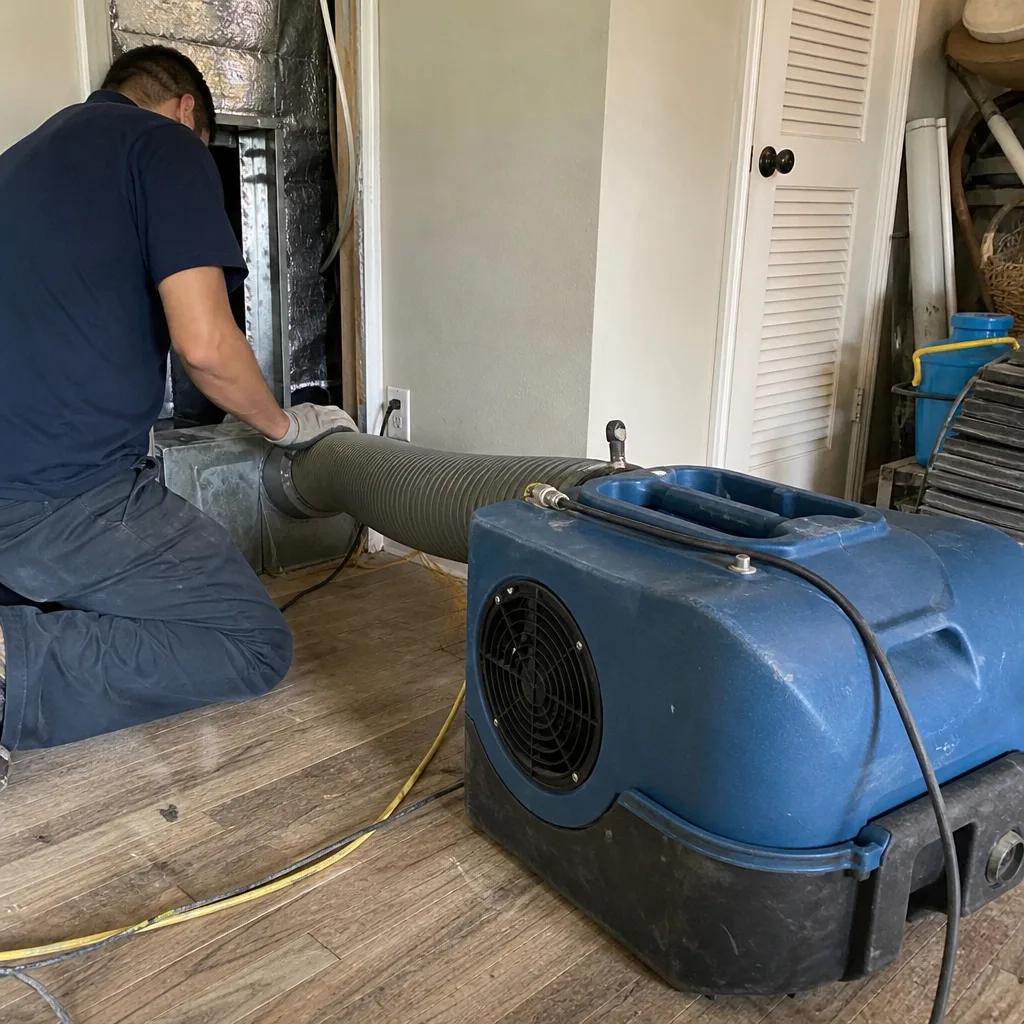
 Whole-home duct cleaning
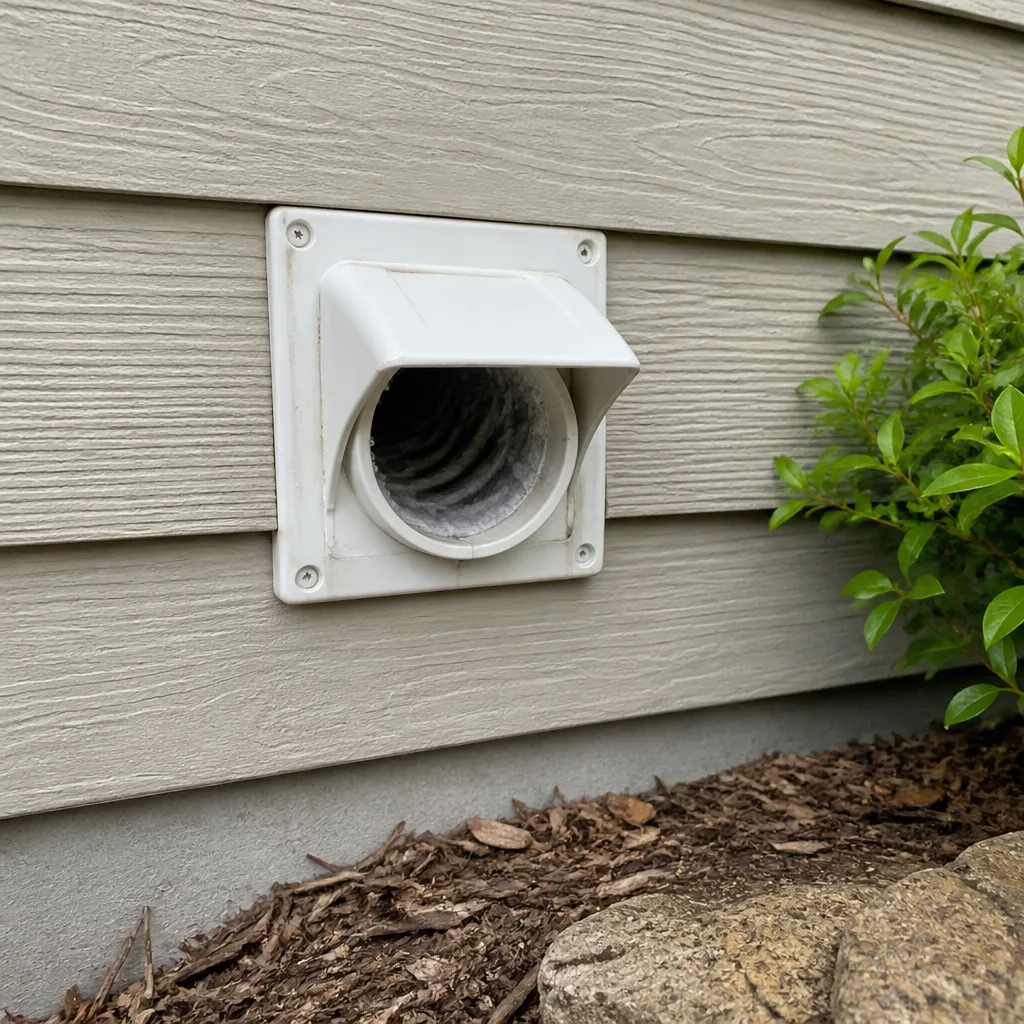 Dryer vent cleaning
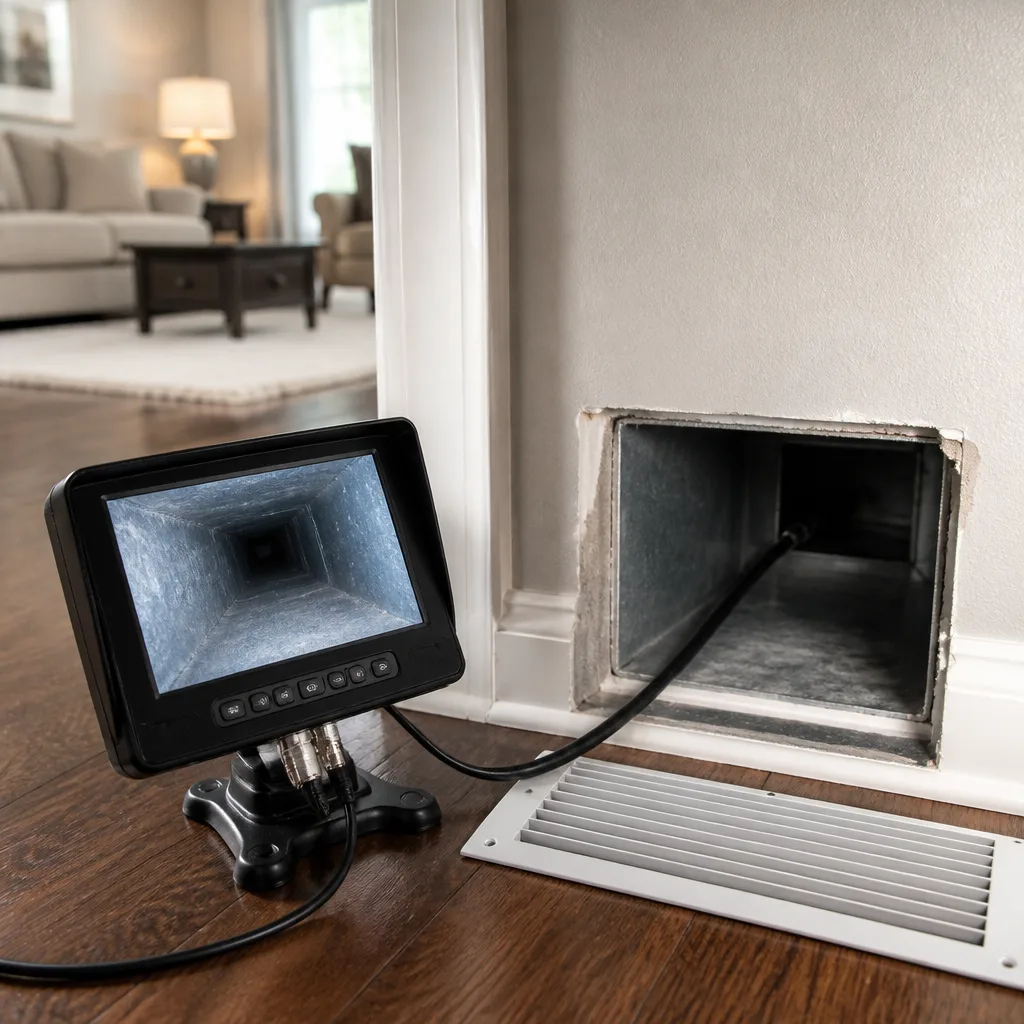 Camera inspection
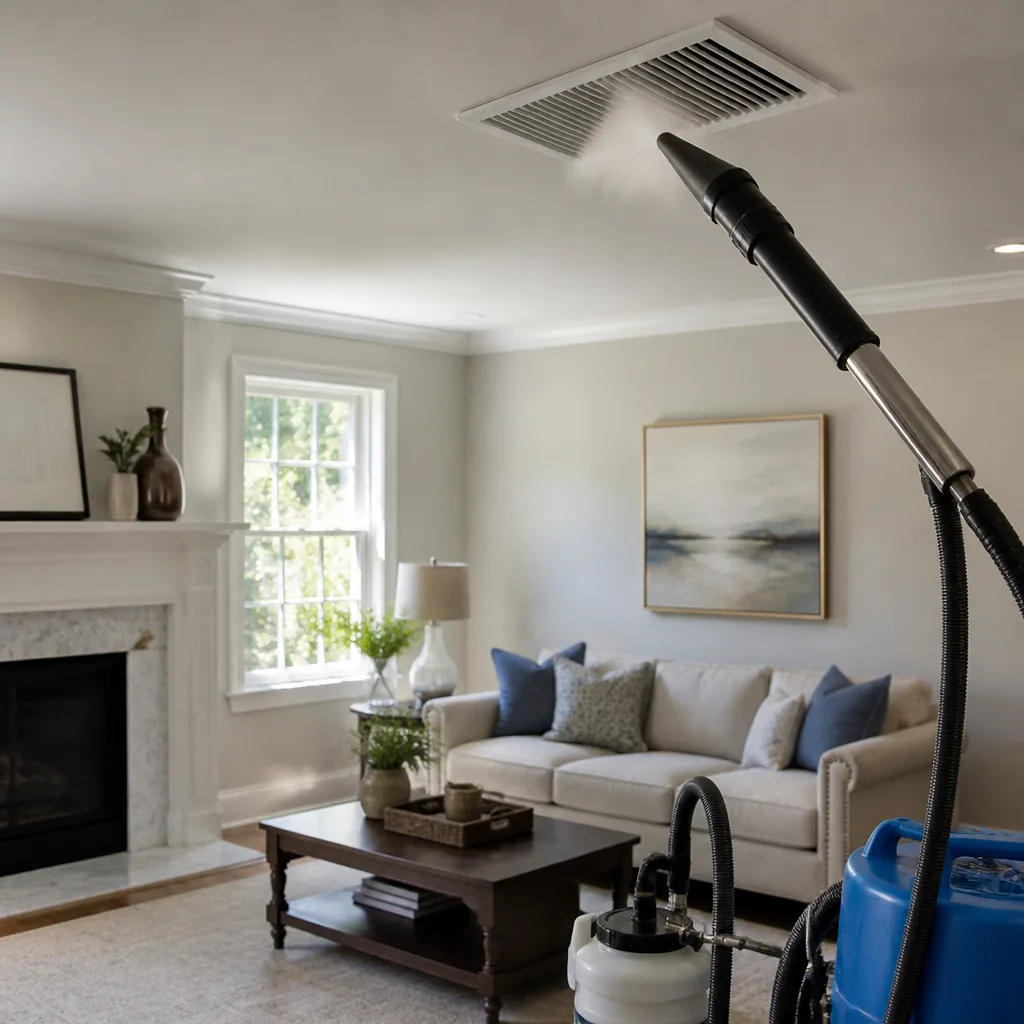 Sanitizing & deodorizing
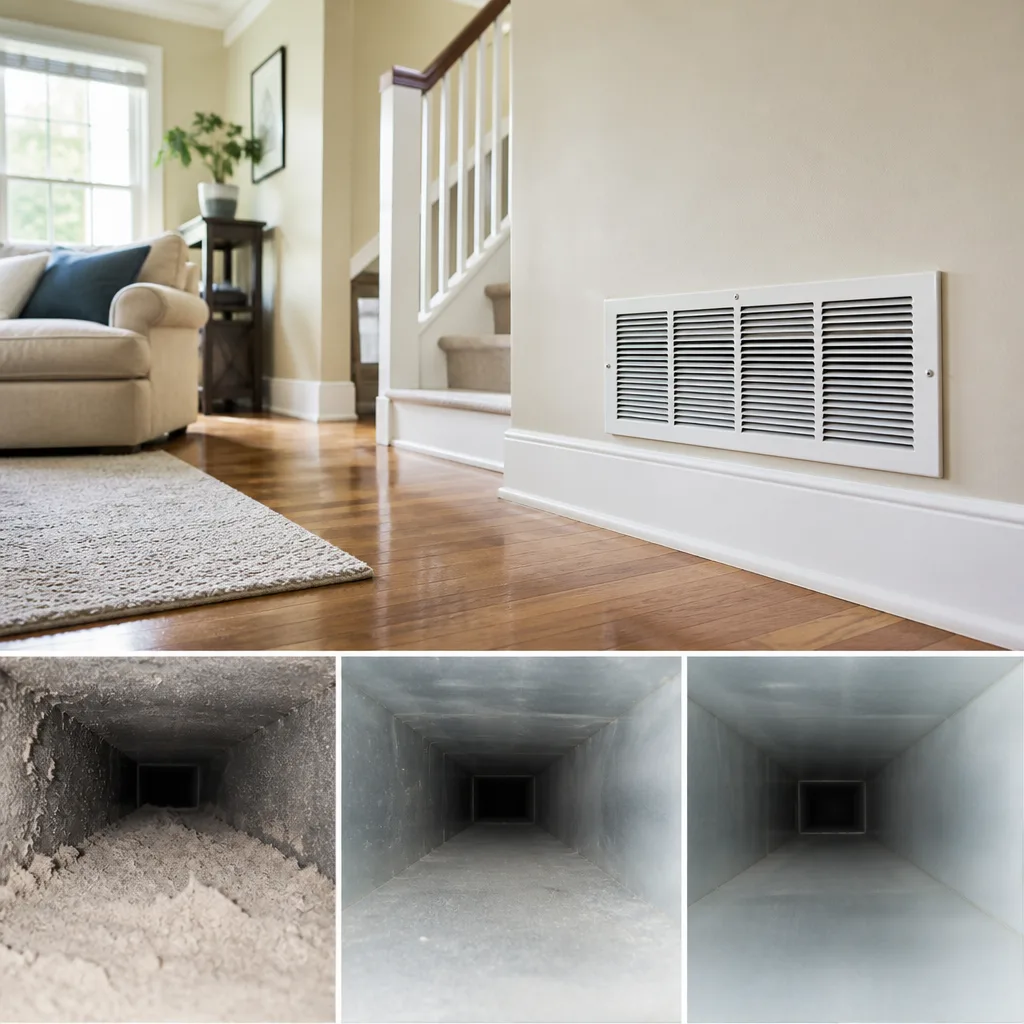
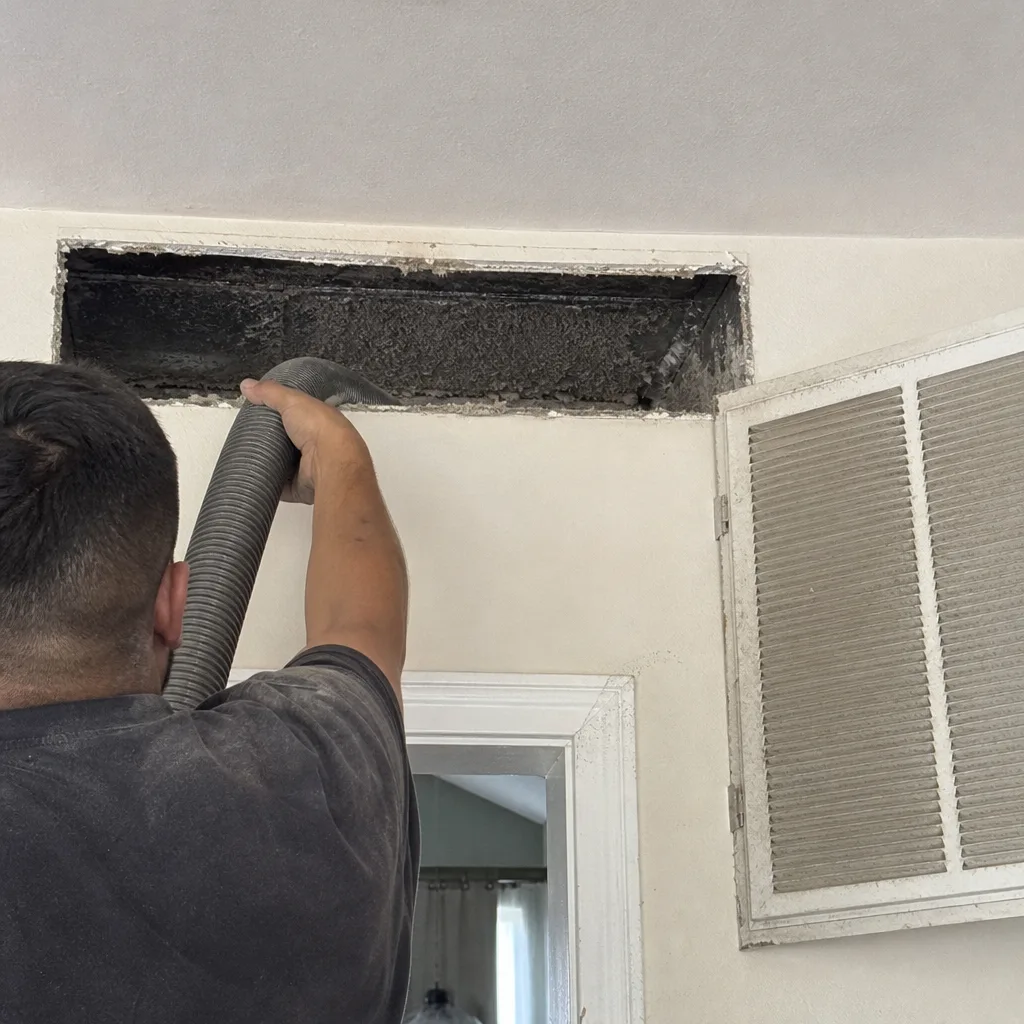
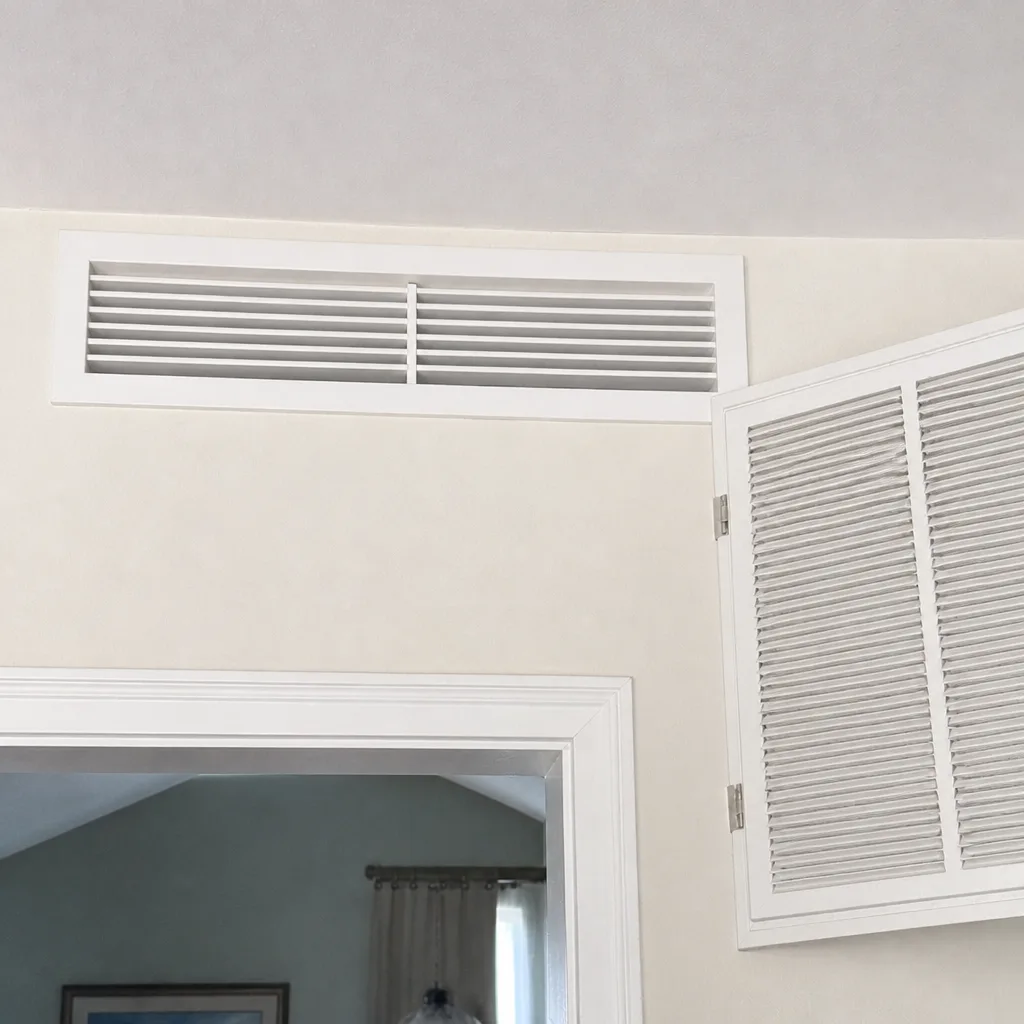
Whole-system duct and dryer vent check with before-and-after photos - you see exactly what came out of your vents
That "$99 whole-house special" is a bait ad - the real number appears once they are in your hallway, or the "clean" is a shop-vac at the register. We photograph the inside of your ducts before and after instead.
Air Duct Cleaning Emergency Preparedness Guide for Carrollton Homes
Most people treat duct cleaning as housekeeping, something you get to when the airflow feels weak. That framing misses the job ducts do after a disaster. Your duct system is the one part of the house that touches every room, and after a burst pipe, a house fire, or a severe storm, it’s often the path contaminated air and moisture take to spread through the whole building. After the February 2021 freeze, a lot of Carrollton homes had condensation and standing water work its way into duct runs through joints that had pulled apart. Families who ran the HVAC to “dry things out” pushed that moisture through the house for weeks. This guide covers what to do with your ducts after a flood, fire, or storm, what to leave untouched until someone inspects them, and what to hand your insurance adjuster. Mention Carrollton once more: the local climate quirks behind all of this matter.
Quick Answer
After a flood, pipe burst, fire, or severe storm, don’t run your HVAC and don’t open the registers before someone inspects the duct system. Water or smoke that’s already inside will spread to every room the ducts serve. Instead, shut the system off, photograph the visible damage, and get a professional inspection before anyone cleans or repairs anything.
Styles & brands we work with
- Whole-home duct cleaning
- Dryer vent cleaning
- Camera inspection
- Sanitizing & deodorizing
Table of Contents
- What should you do with your ducts after a flood or pipe burst?
- How do you know if your duct system was compromised?
- Where to look, without opening anything up
- What documentation will your insurance adjuster accept?
- Why fire smoke and water damage need different treatment
- Carrollton-specific risks: freezes and hail
- Dryer vents in an emergency plan
- When to call a professional
What should you do with your ducts after a flood or pipe burst?
The order of operations after water gets into a house is what decides whether the ducts get cleaned properly or just spread the problem. A pipe that bursts in an upstairs bathroom, an attic condensation line that overflows, or storm water that comes in under a door can all send moisture toward a return grille or a supply boot in minutes. Duct board, fiberglass lining, and even galvanized metal will hold that moisture long after the floors look dry.
Here’s the correct sequence. Follow it before you touch anything else in the duct system.
- Shut the HVAC system off at the thermostat and the breaker. Don’t run it to “dry out” the house. Running the fan pulls moisture and whatever it’s carrying into every duct run, then out into every room. This is the single most common mistake we see after water damage.
- Close or tape over the registers and return grilles in the affected rooms as a temporary stopgap. This keeps debris and contaminated air from migrating into the duct network while the house is being dried.
- Photograph everything before anyone moves it. Water lines on duct board, damp insulation at a boot, a soiled return grille. The photos you take in the first hour are worth more to an adjuster than anything you take a week later.
- Call a restoration or water-damage company to handle the standing water and structural drying first. Duct inspection makes more sense once the building itself is being dried.
- Get the duct system inspected before any cleaning or repair begins. An inspection tells you which sections are wet, which have pulled apart, and which are simply dusty from years of normal use. That changes the plan.
- Only then does cleaning, repair, and re-inspection happen, in that order, with verification the ducts are dry before they go back into service.
Note the order. A lot of homeowners call a cleaner first and a restorer second, which is backward. If you own a rental property in Carrollton and a tenant reports a burst line, make sure the HVAC stays off until an inspection clears it. Running that unit for two days to keep the tenant comfortable usually costs far more than it saves.
How do you know if your duct system was compromised?
Not every storm leaves your ducts in trouble. But when a system has been compromised, it usually leaves clues you can spot without opening anything up. A duct system is “compromised” when moisture, smoke, or debris has entered the interior of the ducting rather than just settling on the outside of the ductwork or the grilles.
Watch for these signs after any flood, fire, or severe weather event:
- Condensation on the outside of supply ducts or at the boots. If the ductwork is sweating in a way it didn’t before, something is off with the system’s moisture balance, or the ducts are pulling in humid air through a gap.
- A musty or “wet cardboard” smell when the system runs. That’s usually damp duct lining or insulation that didn’t fully dry. It will not go away on its own.
- Reduced airflow at registers that used to be strong. Sometimes this is a crushed or disconnected run. After a storm with heavy wind or fallen limbs, a duct buried in an attic wall cavity can end up pinched.
- Visible separation at joints, especially in the attic. Flexible duct connections at the plenum and at floor boots are common places for a run to come loose during a temperature swing like the freeze week Carrollton saw in February 2021.
- Debris or soot visible at the return grille. If the return side is pulling in combustion smoke or construction dust, it’s going through the whole system.
- A pounding or rattle that wasn’t there before the event. Sometimes duct runs pull loose from hangers and the vibration tells you something’s changed inside the attic.
One warning worth repeating: don’t go crawling through a hot attic to check this yourself. Attic access combined with a possible structural issue or a live electrical circuit in a wet house is a serious hazard. A trained technician can inspect the system safely, and we use containment equipment during the work so dislodged dust and soot don’t simply move into your living room.
Where to look, without opening anything up
You don’t need tools to narrow this down. A few accessible inspection points will tell you a lot, and they’re the same ones an adjuster is likely to ask about.
- Return air grilles: Look at the grille and the visible surface behind it. Soot, debris, or a damp patch tells you something is entering the return side of the system.
- Floor and ceiling registers: Shine a flashlight into a supply register in an affected room and look at the boot. Water staining on the boot means water got past the register.
- The ductwork visible in the attic: Many Carrollton homes run flexible or rigid duct through attic space. If you can see the ducts from the attic access without climbing in, look for obvious separation at joints and any damp patches or mold growth on the duct or the surrounding decking.
- The air handler or furnace closet: Look at the base of the cabinet. Standing water or a rust line at the cabinet base suggests moisture has moved through the system.
- The area where a burst pipe was: If water sprayed in a utility closet or attic and the duct run passes nearby, that run deserves a look.
What you’re after isn’t a diagnosis. It’s documentation and a yes-or-no on whether a professional inspection is urgent. A photo of water staining on a supply boot and a photo of a duct joint that has come apart is far more useful to an adjuster than any description you could write.
What documentation will your insurance adjuster accept?
Adjusters work in evidence, not adjectives. “The ducts felt damp” goes nowhere. A dated photo series with locations and a written report from someone with relevant experience moves a claim forward. Here’s what actually holds up.
- Dated photos taken before cleanup. Water staining, visible separation at joint connections, soot at the return grille, damp insulation. Include something in the frame that establishes scale, and note the room the photo was taken in.
- A written inspection report that describes the duct system’s condition in plain terms. Which sections are wet, which have structural damage, what was observed. Report-style language, not marketing.
- The service provider’s business name and contact information on the report. Adjusters verify the source.
- An equipment log for any drying equipment used on the property. If a restoration company set up dehumidifiers, the daily drying logs are part of the claim.
- Before-and-after photos with the cleaning or repair. These show the work was done. In our experience, before-and-after photos are the single most useful thing a homeowner can hand an adjuster, because they show both the condition and the correction.
- An invoice with a clear description of work performed. Line items, not a lump sum.
One practical note: ask the duct inspector up front whether they take photos of their own work and keep records. Some outfits don’t, and that turns into a fight with the insurer later. Every job we run produces before-and-after photos of the customer’s own duct system, which is the same documentation you’ll need for the claim.
Why fire smoke and water damage need different treatment
Fire smoke and water intrusion are two different problems, and the same cleaning process doesn’t fix both. Water damage contaminates a duct system with moisture, which makes it a growth environment for mold and a source of ongoing humidity. Fire smoke leaves residue, oils, and odor compounds that have actually bonded to the interior duct surfaces. Clean one like the other and you’ll leave the real problem in place.
Here’s the distinction in practice:
- Water intrusion cleanup focuses on drying first, then removing any material that’s been wet long enough to be compromised, then cleaning. A wet duct board lining sometimes can’t be dried and cleaned in place and has to be replaced. The goal is a dry, clean system.
- Fire smoke cleanup focuses on removing the residue itself. Smoke residue clings to metal, settles in seams, and carries odor. A mechanical cleaning with industry-standard rotary brush equipment, paired with a high-capacity professional vacuum, is what actually removes it. Simply running a consumer shop vac over your grilles won’t touch it.
- Both kinds require containing what you dislodge so it doesn’t get redistributed into the home. We use Abatement Technologies containment and filtration equipment during the work for that reason. Some jobs also benefit from Guardsman-level protective products to extend the life of a cleaned duct system, which is a separate decision from the cleaning itself.
So a cleaning company that does the same run-through for every job isn’t really cleaning anything. Ask them what they do differently for smoke versus water, and listen for an answer that shows they understand the difference.
Carrollton-specific risks: freezes and hail
Carrollton’s weather sets up duct problems in specific ways. Our winters are mild, but not stable. A hard freeze like February 2021 sends outdoor plumbing and attic plumbing to a temperature they weren’t built for, and the most common result we see isn’t a dramatic pipe explosion. It’s a small crack or a joint that pulls apart and lets condensation and moisture work its way into attic duct runs over weeks. When the system runs afterward, that moisture moves through the house.
Hail is the other local factor. Strong hail events can damage roof penetrations, vents, and attic decking. A small opening at a roof vent or a damaged attic access isn’t necessarily a duct breach, but it changes the moisture and dust load inside the attic, which is where many Carrollton duct runs live. Over time, moisture and dust in that attic environment follow the system indoors.
These are the reasons we inspect attic duct runs carefully on the Carrollton side of the metroplex. The ductwork sees more extremes than people realize, and it usually shows the stress at the joints rather than in the middle of a run. If you’re in Carrollton and you’ve had a roof repair after hail or any attic plumbing work, have the attic-side duct connections looked at while you’re at it. That’s the standard we hold to when we offer Duct Cleaning Carrollton for the homes here.
Dryer vents in an emergency plan
A dryer vent isn’t ductwork for your HVAC, but it belongs in the same preparedness conversation. Lint accumulation in a dryer vent is one of the documented household fire risks, and after a fire, storm, or water-damage event, the vent line is one of the last places anyone thinks to check. It’s also a line most insurance adjusters ask about after a fire, because the vent can pull lint, debris, and heat through the laundry wall cavity once the house is occupied again.
We treat dryer vent cleaning as its own job with its own systematic approach, not an add-on tacked on after the air ducts. After a severe weather event that involves roof damage or attic work, the vent line should be part of what gets inspected. Don’t ignore it because it’s quiet, and don’t assume it’s fine because the laundry room looks okay.
When to call a professional
Call a professional if any of these are true: water has entered the duct system at any point, the house has had a fire with smoke migration, the HVAC ran after a water event before anyone inspected, you’ve seen visible separation at a duct joint, or you can see soot or debris at a return grille. Don’t wait for the smell to get worse. Moisture in a duct system is an active problem, not a passive one.
Duct Cleaning Carrollton offers free estimates in Carrollton. We handle cleaning, repair, and dryer vent work under one company, so if the inspection finds a run that needs sealing or replacing, the same crew that cleans can fix it on the same visit. Call (866) 580-7041. We answer 24/7. Fast dispatch from 7am to 7pm, Sunday through Friday. We’re closed Saturday.
Common Mistakes to Avoid
- Running the HVAC to “dry things out.” It spreads the moisture through every room. Shut the system off and leave it off until it’s inspected.
- Cleaning before documenting. If you clean up the water or wipe down the grilles first, you’ve destroyed the evidence your adjuster needs. Take photos first.
- Hiring a cleaner who uses a shop vac and a hose. A consumer vacuum can’t handle the volume of a real duct system and doesn’t contain what it pulls out. Ask what equipment they use, and expect to hear professional-grade equipment, not a hardware-store vacuum.
- Assuming one cleaning run fixes both smoke and water damage. They’re different problems. Ask the company how they approach each one.
- Skipping the attic ducts because the rooms look fine. In Carrollton, the attic is where duct joints tend to be stressed by heat, humidity, and freeze events. Out of sight, out of the plan.
- Missing the dryer vent. It’s a separate system with its own fire risk and its own inspection needs, and it’s easy to leave out of the post-storm checklist.
- Hiring a generalist who treats ducts as an add-on. A company that also does furnace repair, refrigerant work, and installations will often send a crew that does ducts on the side. Duct systems want a specialist who does this every day.
See the difference
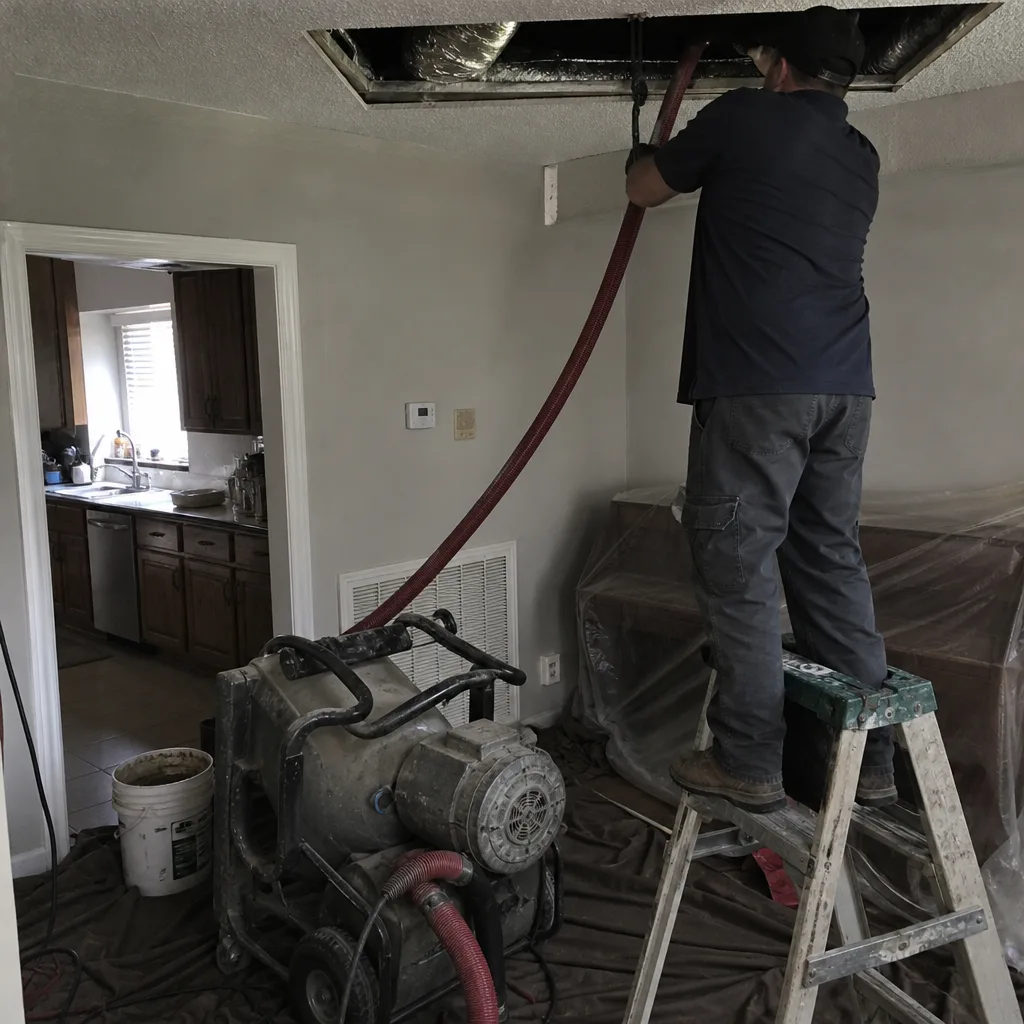 Before
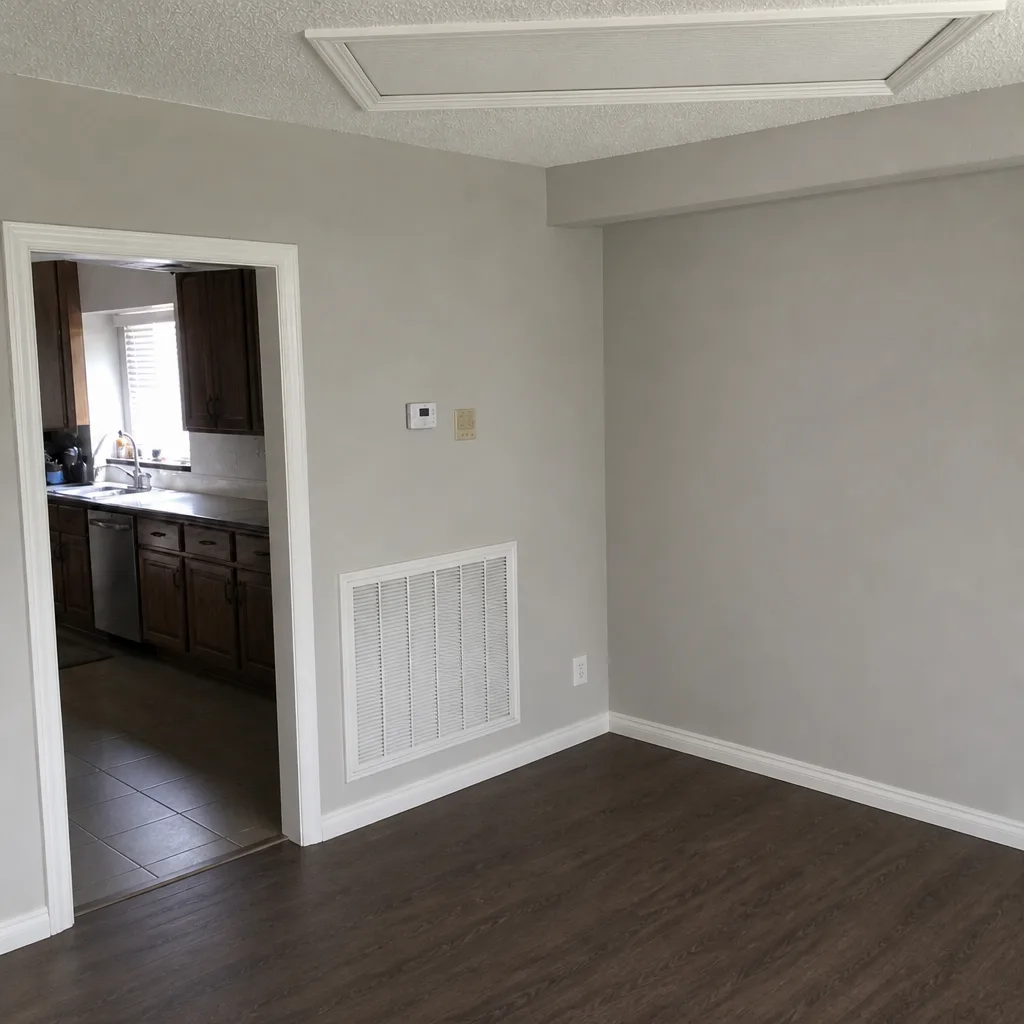 After
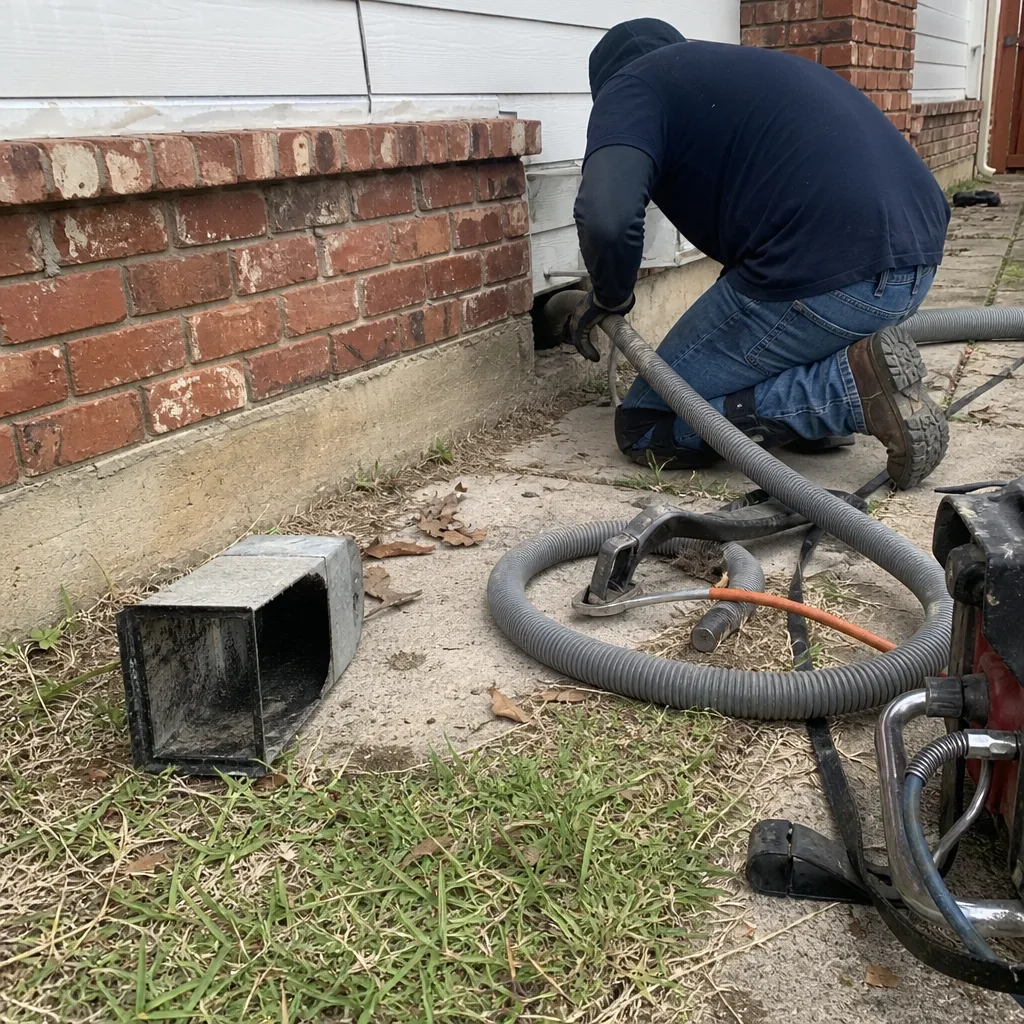 Before
 After
 Before
 After
When to Call a Professional
Call a professional if you’ve had any water enter the duct system, if the HVAC ran after a water event, if the house has had smoke migration from a fire, or if you can see soot, debris, or visible separation at a joint or register boot. Don’t wait for a smell to confirm it. Moisture in a duct system is an active problem, not a passive one, and it only gets more expensive to correct the longer it’s ignored.
Duct Cleaning Carrollton offers free estimates in Carrollton. We’ve worked on the same houses, attics, and duct systems in this city for 14 years, and we bring professional-grade Rotobrush and Nikro equipment, not consumer-grade workarounds. We clean it, and if it needs repair, we fix it, same visit. Call (866) 580-7041. We answer 24/7. Fast dispatch from 7am to 7pm, Sunday through Friday.
Frequently Asked Questions
No. Running the HVAC after a water event pulls moisture and contaminated air into every duct run, then distributes it to every room the ducts serve. Shut the system off at the thermostat and breakers and keep it off until a professional inspects the duct system. Call (866) 580-7041 for an inspection before you turn it back on.
Check the return grilles, the supply boots in affected rooms, and any ductwork visible from the attic access for water staining, damp patches, or separation at joints. If the system has run since the freeze, a musty smell is a strong sign. If you’re not sure, have someone inspect it. The inspection is free, and it’s the only way to know for certain.
Often it can, but coverage depends on your policy and the cause of the damage. What moves a claim is documentation: dated photos before cleanup, a written inspection report, and before-and-after photos of the cleaned system. Ask your adjuster what they need before you clean anything.
Water damage needs drying and removal of compromised materials first, then cleaning. Fire smoke leaves residue bonded to the interior duct surfaces that requires mechanical cleaning with professional equipment, plus containment so dislodged soot doesn’t go back into the home. They’re different processes, not a single run-through.
Usually because they’re not doing the same work. Cheap quotes often skip attic duct runs, use consumer-grade vacuums, and clean only what’s visible from the register. Ask what equipment they use and whether they inspect and clean the whole system, including attic runs, before you compare prices. Call (866) 580-7041 for a free estimate on the whole system.
Most homes don’t need annual attention, but any home that’s had a water event, a fire, a roof repair after hail, or attic plumbing work should be inspected after the event. For homes with no events, a professional inspection every few years or when you notice airflow changes, dust buildup, or allergy flare-ups is reasonable. Call us for a free estimate if you’re unsure.
The Bottom Line
Your duct system is the one part of the house that touches every room, and after a flood, fire, or severe storm it’s often the main path for contamination to spread. The order of operations matters more than anything else: shut the HVAC off, document everything before you move it, and get the system inspected before you clean or repair. In Carrollton, the local freeze and hail events are the most common reasons ducts get compromised without anyone realizing it. Get a professional inspection. Call (866) 580-7041. We answer 24/7. Fast dispatch from 7am to 7pm, Sunday through Friday.
Written by the team at Duct Cleaning Carrollton, serving Carrollton since 2012.