
Last updated November 14, 2026
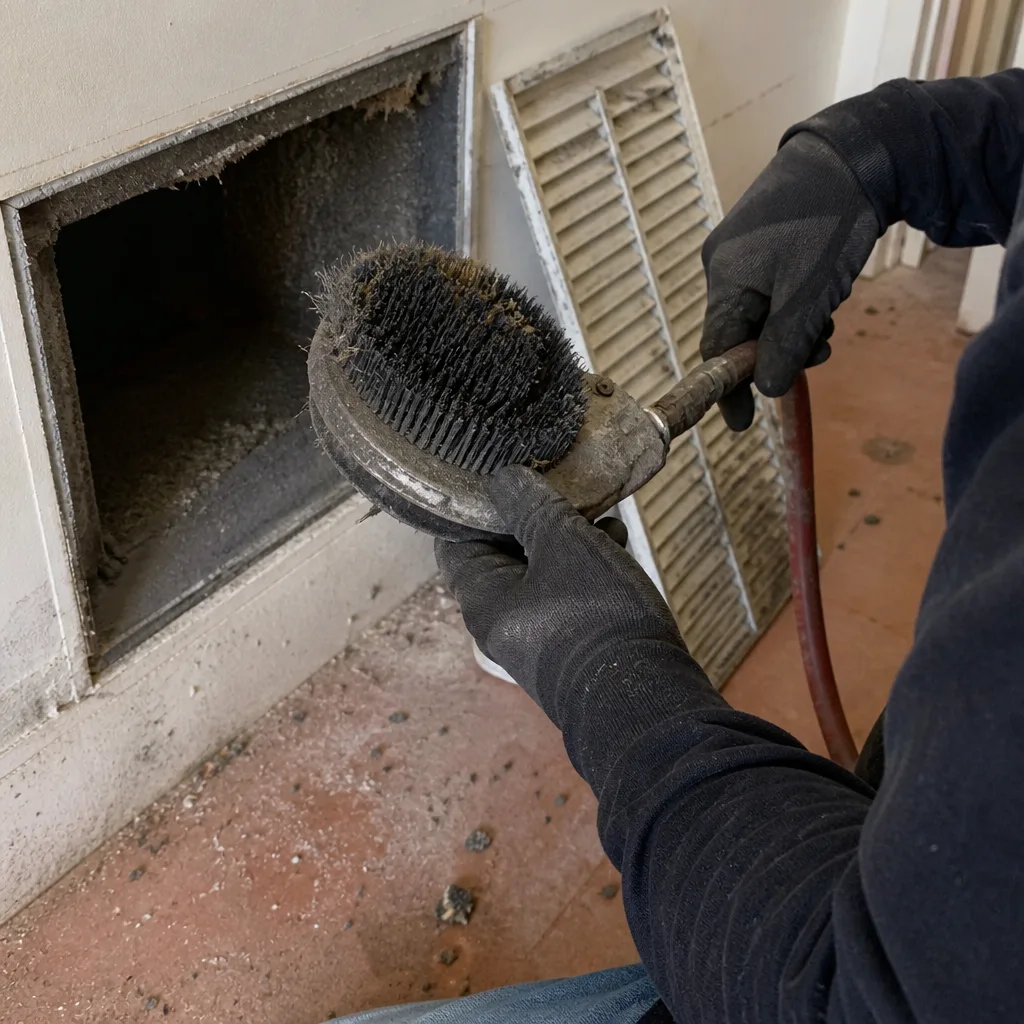
 Whole-home duct cleaning
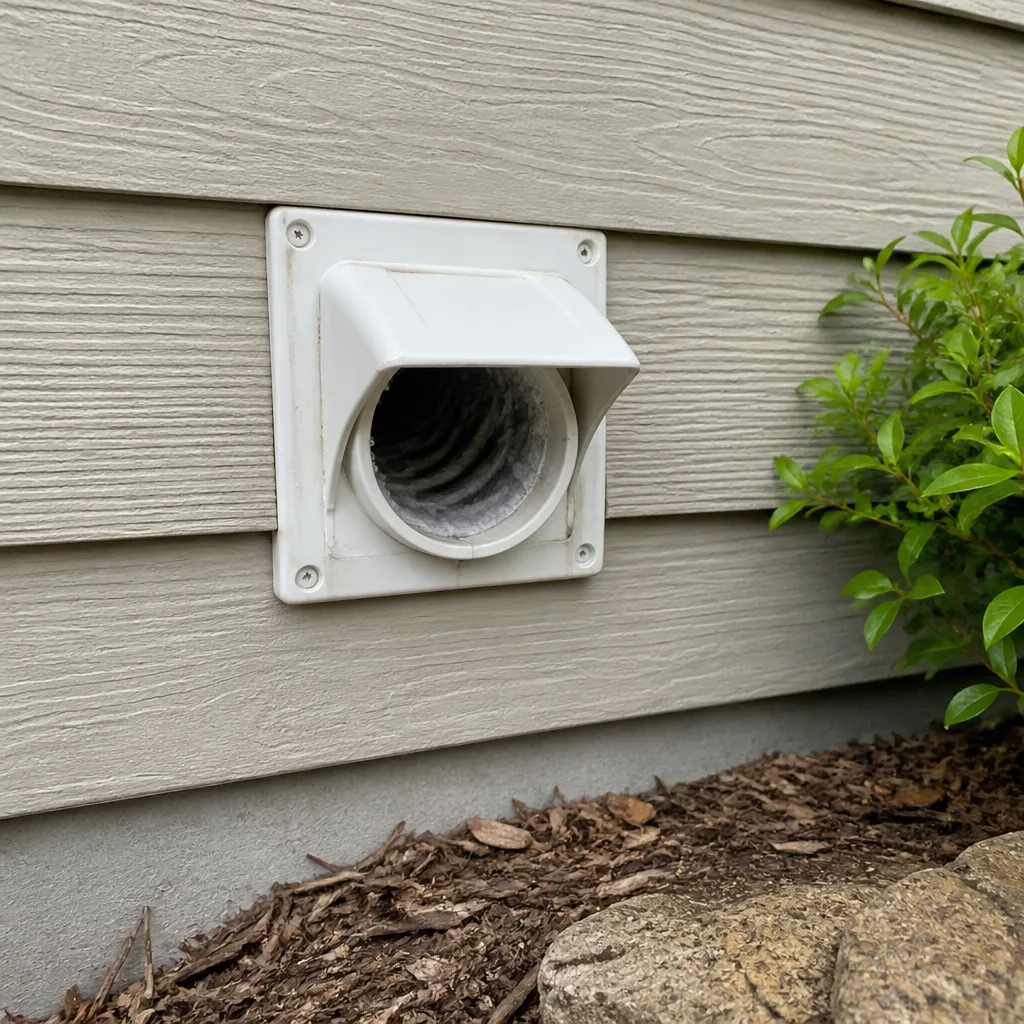 Dryer vent cleaning
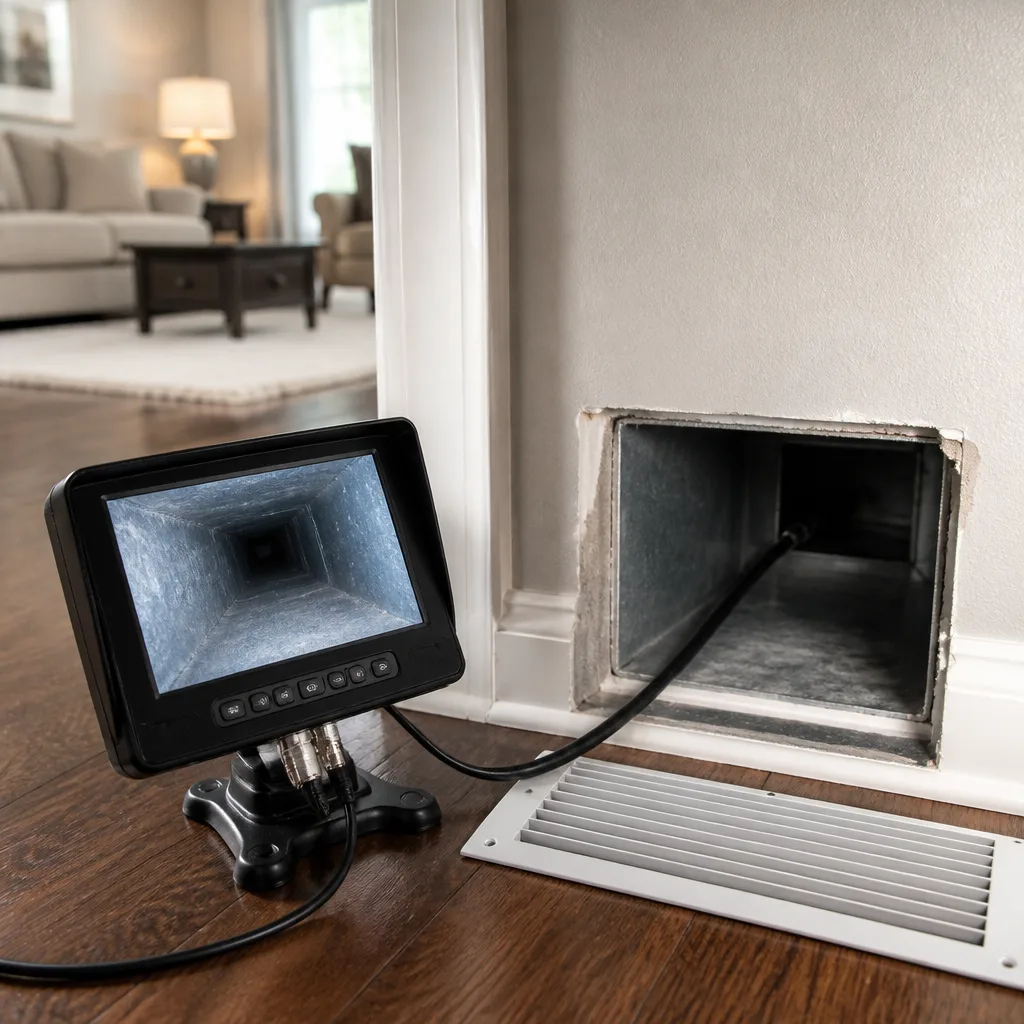 Camera inspection
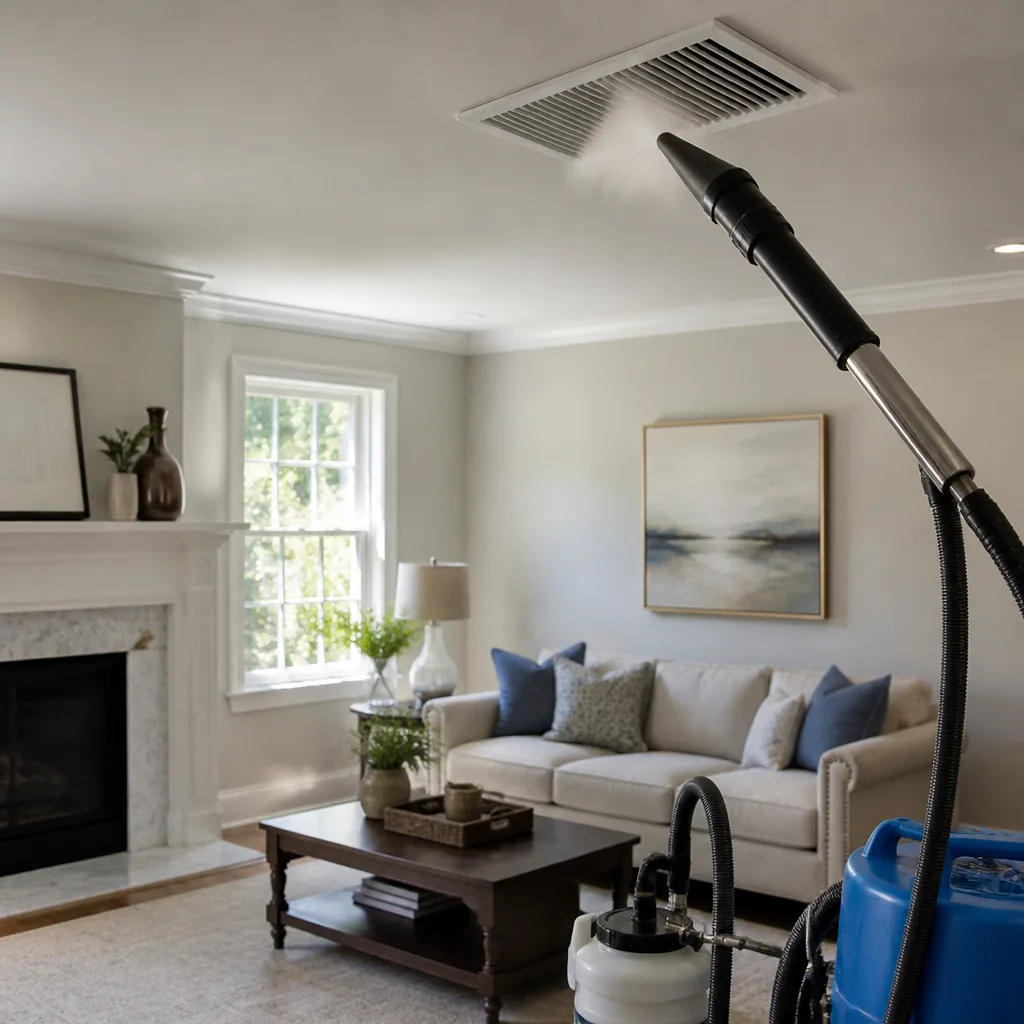 Sanitizing & deodorizing
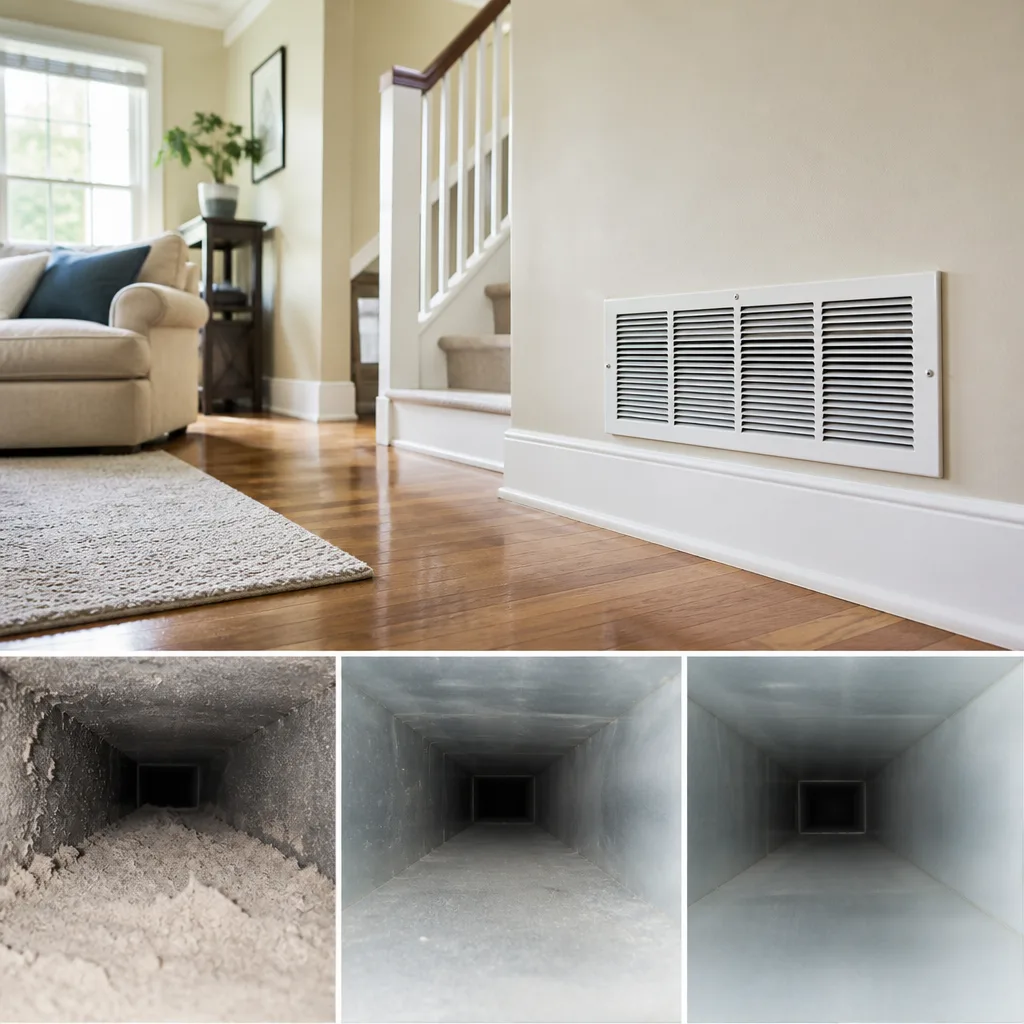
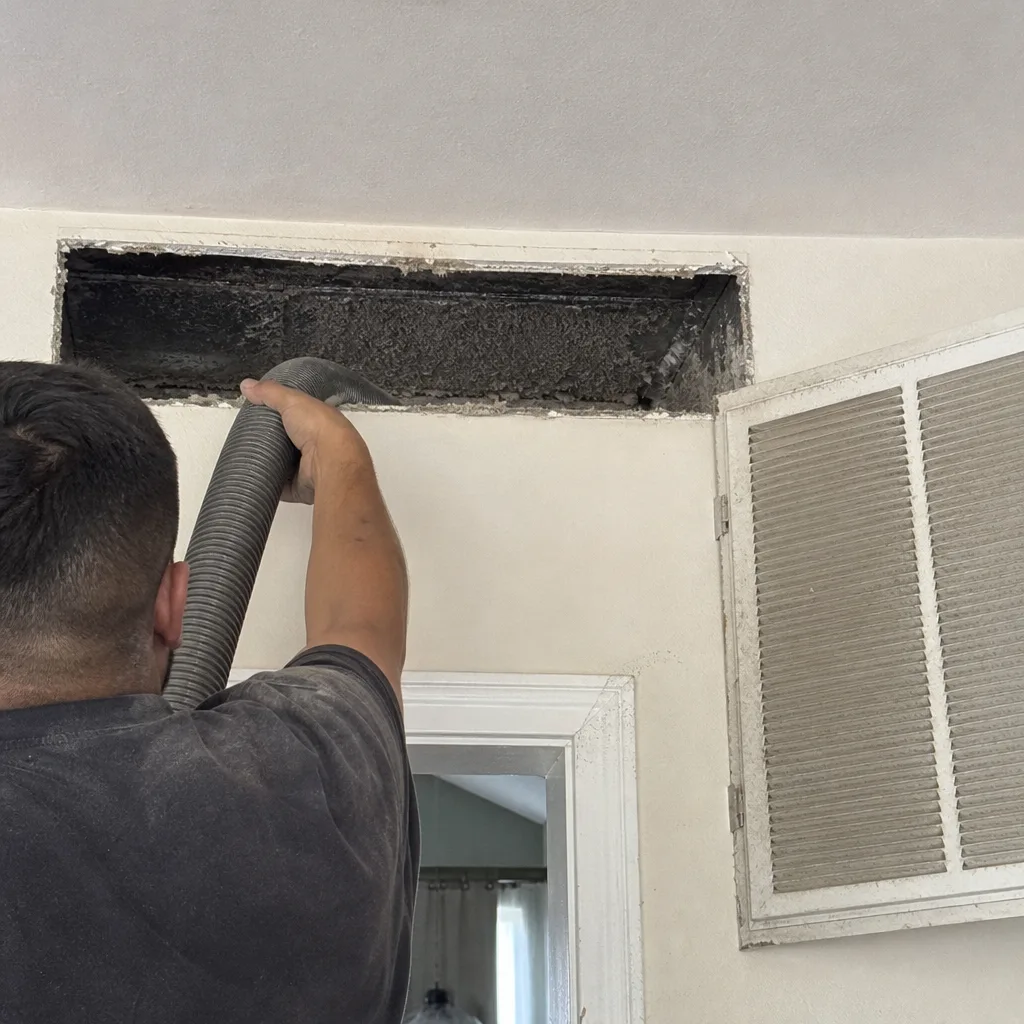
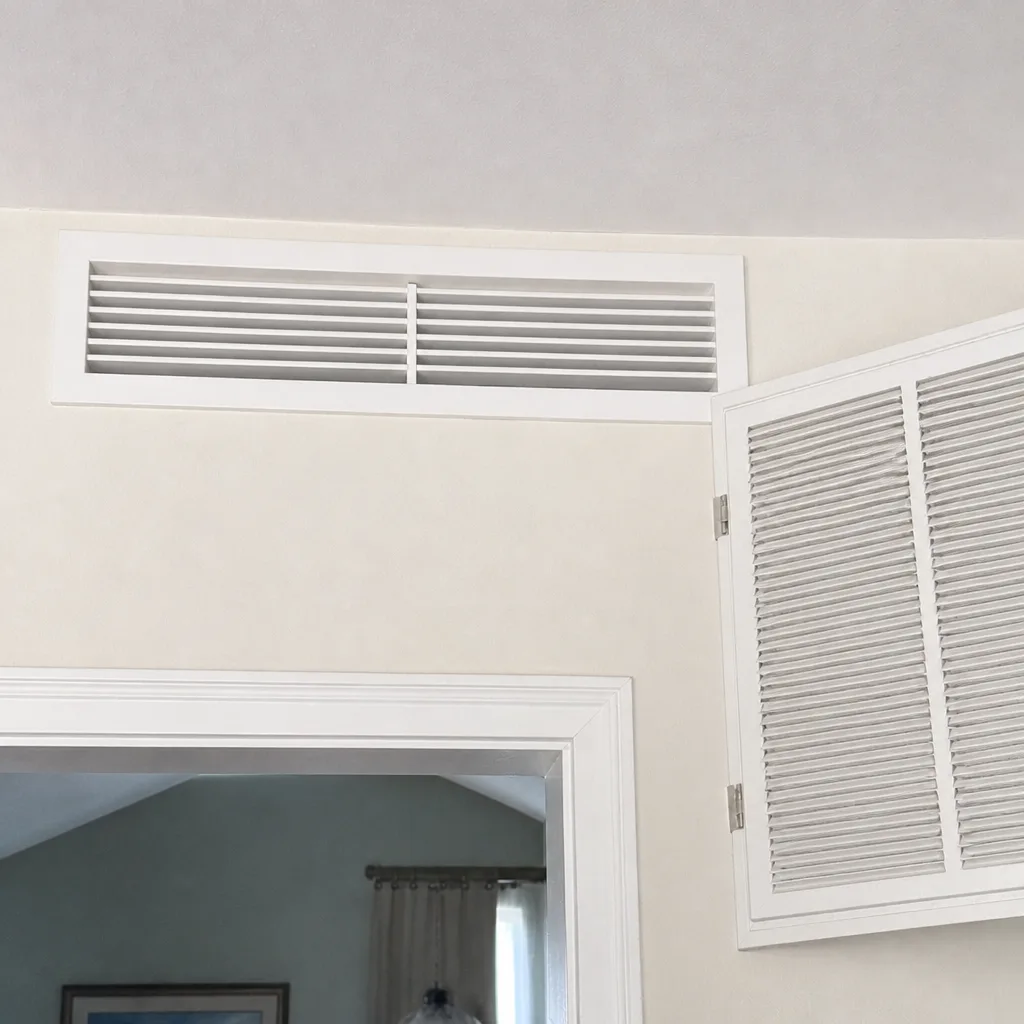
Whole-system duct and dryer vent check with before-and-after photos - you see exactly what came out of your vents
That "$99 whole-house special" is a bait ad - the real number appears once they are in your hallway, or the "clean" is a shop-vac at the register. We photograph the inside of your ducts before and after instead.
Seasonal Air Duct Cleaning Care for Carrollton: Year-Round Homeowner’s Guide
Most homeowners treat duct cleaning as a once-a-decade chore, something to schedule when the dust gets embarrassing or the airflow drops to a whisper. That approach misses the point. In Carrollton, the duct system faces four genuinely different kinds of stress across the year, and they don’t line up neatly with the four seasons on a calendar. The timing of when you clean, when you inspect, and when you leave the system alone matters more than how often you do it. Get the timing right and you spend less money for better air. Get it wrong and you’re paying to clean ducts that will be dirty again in eight weeks. This guide walks through what we look for month by month in Carrollton and how to plan around the real stress periods rather than arbitrary dates.
Quick Answer
Seasonal duct care in Carrollton works best when you align maintenance with four distinct stress periods rather than four equal seasons. Schedule a pre-spring inspection in February or March before oak and cedar pollen load the return side, plan coil and duct checks in May or June before peak cooling demand, monitor static pressure and register airflow through the July to September heat, and address any summer moisture findings in October or November before the heat comes back on. Cleaning on that rhythm gives you cleaner air than the standard “once a year whenever” approach.
Styles & brands we work with
- Whole-home duct cleaning
- Dryer vent cleaning
- Camera inspection
- Sanitizing & deodorizing
Table of Contents
- Why Carrollton Has Four Duct Stress Periods, Not Four Seasons
- February to March: The Pre-Spring Pollen Window
- May to June: Coil Cleaning and Duct Inspection Before Peak Load
- July to September: Monitoring Peak Demand Without Opening the System
- October to November: Moisture Repair and Insulation Prep
- How Carrollton’s Urban Heat Island Changes Contamination Rates
- Building a Year-Round Duct Calendar for Your Carrollton Home
- Signs Your Ducts Need Attention Right Now, Regardless of Season
Why Carrollton Has Four Duct Stress Periods, Not Four Seasons
The conventional advice is to have your ducts cleaned “once a year” or “every three to five years,” which is about as useful as telling someone to change their oil “sometimes.” The rhythm of duct contamination here isn’t evenly spaced across twelve months. It clusters around four specific windows, and each one stresses your system in a different way.
Consider what actually happens. From February into March, North Texas gets its oak and cedar pollen peaks, and that pollen is small enough to ride in through the return side of a running system. The system then sits relatively unstressed for a few weeks in April. Then May and June bring the first sustained cooling demand, and the coil becomes the busiest component in the house. July through September is a long, high-runtime stretch where static pressure and register airflow tell you more about duct condition than any visual check. October and November are dry and mild, which is exactly when moisture findings from summer can be addressed and duct insulation prepped before the furnace starts cycling again.
Treating these as four separate windows produces better outcomes than picking an arbitrary month and calling it done. We see it in Carrollton constantly: a homeowner who cleaned in July gets a mediocre result because the system was working hard and the ducts were actively loading. The same homeowner cleaning in late February gets a cleaner system that stays cleaner longer, because the post-clean period is the mild, low-runtime stretch when contamination accumulates slowest.
One piece of vocabulary here. “Duct stress” isn’t a formal engineering term. We use it to mean the conditions that drive contamination into or through the duct system: particulate load in the air, system runtime, and moisture. Those three move independently of one another, and that’s why the four periods aren’t the same size. Some are about particulate. Some are about runtime. Some are about moisture.
What “seasonal” actually means here
It doesn’t mean “clean once per season.” For most Carrollton homes, one full cleaning per year plus one inspection per year is plenty. What changes seasonally is what you’re inspecting for and what you’re trying to prevent. A February inspection and a September inspection are two different jobs, even though the approach to the duct system is the same.
February to March: The Pre-Spring Pollen Window
This is the highest-leverage maintenance window in the Carrollton year, and it’s the one most homeowners miss. Oak pollen in North Texas hits in roughly late February and runs into March, and cedar can start even earlier. That pollen is fine enough to get past a standard filter and into the return ductwork, where it sticks to any surface with even a light dust film.
Here’s the logic. Cleaning the ducts in February, before the pollen peak, means the surfaces inside the ducts are clean when the pollen arrives. Pollen on a clean, dry galvanized surface doesn’t stick well; it moves through and either lands on the filter or settles somewhere you can get to it. Pollen on a dusty, greasy film of accumulated debris from two years of runtime sticks immediately and starts a biological cycle.
“What’s the actual cost of cleaning in Carrollton?” comes up often. We don’t quote per vent, and we don’t quote teasers. A whole-system clean is priced per system based on the number of returns, trunks, and branches, the accessibility of the runs, and what we find once we’re inside. The written estimate sets the final price, and it’s given before any work begins. If your duct system has never been cleaned and the house is more than a decade old, expect more scope than a newer build. That’s a real number range, not a scare tactic.
What we look for in a February inspection
- Return duct surfaces, especially the plenum side, for visible pollen or debris film
- Register boots and supply runs for dust accumulation near the diffuser
- Any sign of moisture or staining at duct joints, which pollen can hitch a ride on
- The condition of the air filter housing and the filter itself
- Flexible duct runs for separated inner liners or sagging, which trap debris
If the ducts are already fairly clean, we sometimes recommend just a filter refresh and a return-side vacuum rather than a full clean. That’s a smaller job and priced accordingly. We’d rather do the right-size work than sell a full clean to a home that doesn’t need one yet.
May to June: Coil Cleaning and Duct Inspection Before Peak Load
By May in Carrollton, the system is running daily and the coil is doing the heaviest lifting of the year. This window is your last good chance to inspect before July locks the system into long runtimes. It’s also when the cooling coil itself becomes a duct-adjacent concern.
The coil sits inside the air handler, downstream of the return duct and upstream of the supply plenum. A dirty coil cuts efficiency and can drive up static pressure on the supply side. It also holds moisture, which is the part most homeowners don’t think about. In our experience, a coil with a heavy dust film holds enough moisture to create a subtle musty smell that a homeowner will attribute to “the ducts” when it’s actually the coil casing. Cleaning the ducts without addressing the coil is half a job, and we say so.
Our equipment setup matters here. Rotobrush rotary brush systems handle the mechanical agitation inside the runs without the risk of tearing flex duct, and Nikro professional vacuum systems pull the dislodged debris out under containment. Abatement Technologies air filtration and containment equipment is running during the cleaning, so what comes loose doesn’t get redistributed through the house. That’s the difference between cleaning and just stirring things up.
What a May or June inspection includes
- Visual check of the coil for dust film and moisture (this one is a professional job, not a homeowner task)
- Static pressure reading at the return and supply, before and after any cleaning
- Register airflow check across the main rooms your family uses most
- Duct insulation check in unconditioned attic runs, which is where Carrollton homes lose the most thermal efficiency
- Alignment check on any Honeywell or Aprilaire whole-home air quality equipment so cleaning work doesn’t disturb calibration
If you’re considering air duct cleaning as part of this window, we can often fold coil inspection into the same visit. If anything comes back needing repair, we handle Duct Cleaning Carrollton and duct repair on the same trip. That’s a big deal in practice: the crew that just cleaned the system is the crew that seals, patches, or restores what’s found, so you’re not waiting on a second company to come back out.
July to September: Monitoring Peak Demand Without Opening the System
Once July hits in Carrollton, the cooling system is running hard, sometimes ten to sixteen hours a day depending on the house and the year. This is not the time to schedule a full duct cleaning. It’s the time to monitor. You’re looking for the signals that tell you whether the system is struggling, and you’re staying out of the way while it does its job.
The monitoring signals are three: static pressure, supply temperature, and register airflow. None of them require opening the duct system. That’s the whole point. We don’t recommend homeowners pull panels or open ducts themselves in peak summer. It’s uncomfortable, it risks disturbing a tight system, and if the ducts are dirty, you’re just releasing particulate into a house that’s already running closed.
The three signals that matter most in peak cooling season
- Static pressure. High static pressure means the blower is pushing against resistance. Dirty ducts, a clogged filter, or crushed flex runs all show up here. You can’t read it with a home gauge, but a technician can, and it’s a fifteen-minute check.
- Supply temperature. Measure at a register nearest the air handler. If the supply temp isn’t meaningfully cooler than the return, something in the path is restricting flow. This one is worth checking if you notice rooms that never seem to cool.
- Register airflow. Stand at each vent and feel. Weak or uneven airflow across registers usually points to a restriction in a supply trunk or a branch that’s disconnected inside a wall or attic chase.
If any signal is off, you don’t need to schedule a cleaning mid-summer. You need an assessment. There’s a real difference. Cleaning a system in the peak of cooling demand is fine when it’s needed, but the rhythm this guide is describing means you scheduled that cleaning in February or May. What July asks for is watching, not intervening.
This is also the good window to keep the filter clean. A filter that’s clogged in July will drive static pressure higher than any duct debris will. Change it and re-check the signals before assuming the ducts are the problem.
The one thing we’d tell any Carrollton homeowner during peak summer: if your system feels like it’s not keeping up, get it assessed. We handle duct assessment as part of our free estimates, and knowing whether the problem is in the ducts or in the equipment saves you from buying the wrong fix.
October to November: Moisture Repair and Insulation Prep
Around the time the cooling stops, October in Carrollton is dry and mild. That’s what makes it the right window to address two things: any moisture finding from the summer, and the duct insulation prep for heating season.
Moisture in the summer usually shows up as staining on a duct joint, a subtle musty smell, or condensation on a supply trunk in an unconditioned space. We don’t address it in July because the system is busy and the diagnosis is harder to isolate. In October, we can look at where the moisture came from and fix the source. It’s usually one of three things: a compromised seal at a joint, a flexible duct that’s sagging so an inner liner has separated and is trapping condensation, or a supply trunk running through a space that gets too humid.
Repairing the moisture source in October means you’re not carrying it into the heating months, when the system runs dry air and a damp duct becomes a problem again. It also means we can re-insulate the run if the insulation was compromised by the moisture, which protects the system’s efficiency going forward.
Why October is the right time for insulation prep
Duct insulation in an unconditioned attic loses effectiveness when it gets wet, and it takes weeks to dry even in mild weather. Fall gives you a dry window before the furnace starts cycling. If you address insulation now, the system runs the heating season with full thermal protection. Waiting until January means you’re already in the season you were trying to protect against.
This is also a good window for the dryer vent cleaning we handle as a dedicated service, not an upsell tacked onto an air duct clean. Lint accumulation in the dryer vent is a documented household fire risk, and fall is the natural time to clear it before winter laundry runs heavier. We use the same systematic approach on dryer vents that we apply to air ducts, and we can schedule both in the same visit.
Fall is also the right time to note where you might want a Guardsman protective treatment applied after a cleaning. It extends the life of a freshly cleaned system, and applied in October it’s working for you through the heating season.
How Carrollton’s Urban Heat Island Changes Contamination Rates
Carrollton runs warmer than some of the surrounding less-developed areas, particularly in the core of the city and around denser commercial corridors. That’s an urban heat island effect, and it has a real mechanical consequence: cooling systems here run longer across the summer than comparable systems in more open outskirts. Longer runtime means more air moving through the ducts, which means more particulate deposited per year.
The rate of accumulation isn’t the same in every Carrollton home. A house near the denser corridors will typically accumulate debris faster per summer than a house near a lower-density residential edge. This is why a fixed “every few years” rule doesn’t work here. A house on a busy interior street running the system ten to twelve hours a day in July needs a different cadence than a house near a quieter edge of the city running it six.
Our recommendation for most Carrollton homes: one inspection per year, one full cleaning every one to two years depending on how the inspection goes. Homes near higher-density or busier areas trend toward the annual end. Homes near the quieter edges trend toward the two-year end. If you’ve never had your ducts cleaned and the house is older than ten years, the first cleaning tells you the baseline, and afterwards you can work from measured accumulation rather than a guess.
We don’t have a study on Carrollton-specific heat island intensity to point to, so we’re speaking from what we find in the ducts we clean, not from a published figure. The pattern we see is consistent: busier, denser areas accumulate faster. If you want a realistic read on your own home, the assessment during a free estimate will tell you.
If you’re in the northern or western parts of Carrollton, the climate pattern is the same; only the accumulation rate shifts. The four-window rhythm is the same everywhere in the city. You can see our full Carrollton service overview for how the scheduling maps to your side of town.
Building a Year-Round Duct Calendar for Your Carrollton Home
Here’s the calendar we’d build for a typical Carrollton home. Adjust the cadence based on your inspection results and where in the city you live.
- Late February. Full duct inspection, return-side vacuum if the ducts are already reasonably clean, full clean if they’re overdue. Target: clean ducts before the oak and cedar pollen peak.
- Early May. Coil inspection, static pressure reading, register airflow check. If cleaning was done in February, this is a short visit. If not, fold the clean in here before peak cooling.
- July, monthly. Filter change and register airflow check. No opening the system. Watch for supply temperature weakness and uneven register airflow, note it, and get an assessment if anything’s off.
- Late October. Address any summer moisture findings, check duct insulation in unconditioned runs, and re-check duct seals. This is also your window for dryer vent cleaning.
- December. Post-heating-season inspection if you notice dust or smell, otherwise hold to the February cycle.
For most homes, that’s one full cleaning per year plus one inspection, which is a good rhythm. For homes near higher-density areas with longer runtimes, move to one full clean every year with a second inspection in late summer. For newer homes with light use, the two-year cadence holds.
What about the cleaning itself?
Full duct cleaning in our process is mechanical agitation, vacuum extraction, and containment, and it’s the same sequence regardless of what window you schedule it. Rotobrush rotary brush agitation inside the runs, Nikro vacuum extraction pulling dislodged material out under containment, Abatement Technologies filtration and containment keeping particulate in the system until it’s captured. If we find a tear, a separated liner, or a crushed run, we fix it on the same visit. Cleaning and repair aren’t two separate businesses for us, which matters when you’re scheduling around a real window rather than letting the ducts sit half-repaired until someone else can come out.
If a Honeywell or Aprilaire air quality system is installed in your home, we work with the existing setup rather than around it, so cleaning doesn’t disturb humidification or filtration equipment that’s doing useful work.
Signs Your Ducts Need Attention Right Now, Regardless of Season
Timing matters, but there are signals that override the calendar. If you notice any of these, get an assessment regardless of which month it is.
- Dust settling on horizontal surfaces within days of cleaning. Points to a supply side that’s releasing debris or a return that’s recirculating it.
- Allergy symptoms that flare when the system runs. Especially in a home that previously didn’t trigger them.
- Persistent musty odor from registers. Often moisture in the ducts or coil area, not just “an old house smell.”
- Weak or uneven airflow across registers. Restriction in a supply trunk or a disconnected branch.
- Visible debris or staining at return grilles. The filter is doing what it can, but the return side needs attention.
- Recent remodeling or construction. Drywall dust is fine particulate and loads the system fast. Clean after the work, not before.
One safety note we take seriously: if you’re finding actual microbial growth (visible dark or greenish staining inside a duct or at a register boot), don’t try to clean it yourself with household sprays. The spores get released into a moving air stream, and getting a proper assessment is the safe move. Our containment setup is what makes the difference between removing the growth and spreading it.
Common Mistakes to Avoid
- Scheduling the clean in July because that’s when you finally noticed the dust. You’re cleaning a system at its busiest, and the ducts reload fastest in the weeks right after. February and May are better windows for both the cleaning and the outcome.
- Buying a coupon-based clean that doesn’t cover the whole system. A low teaser price typically covers a partial clean, and the per-vent upcharges push the invoice well beyond what was advertised. Ask for a per-system estimate before anyone starts work.
- Skipping the inspection because the ducts “look clean through the register.” What you can see through a register is the inside of a boot, not the supply trunk or the return plenum. The inspection is where you find out what’s actually there.
- Cleaning without addressing a dirty coil. A clean duct connected to a fouled coil still gives you restricted airflow and a musty smell. Coil inspection belongs in the same visit.
- Waiting until fall to address summer moisture findings. Fall is the right time to repair them, not to first discover them. If you noticed staining or smell in July, note it and get an assessment rather than waiting months to mention it.
- Treating the dryer vent as an occasional afterthought. Lint accumulation is a documented fire risk, and the vent needs its own scheduled maintenance, not a quick vacuum when someone remembers.
- Assuming a fixed “every three years” cadence applies to your home. In Carrollton, accumulation rate varies by density and address. Inspection results, not a calendar general rule, should set your cadence.
See the difference
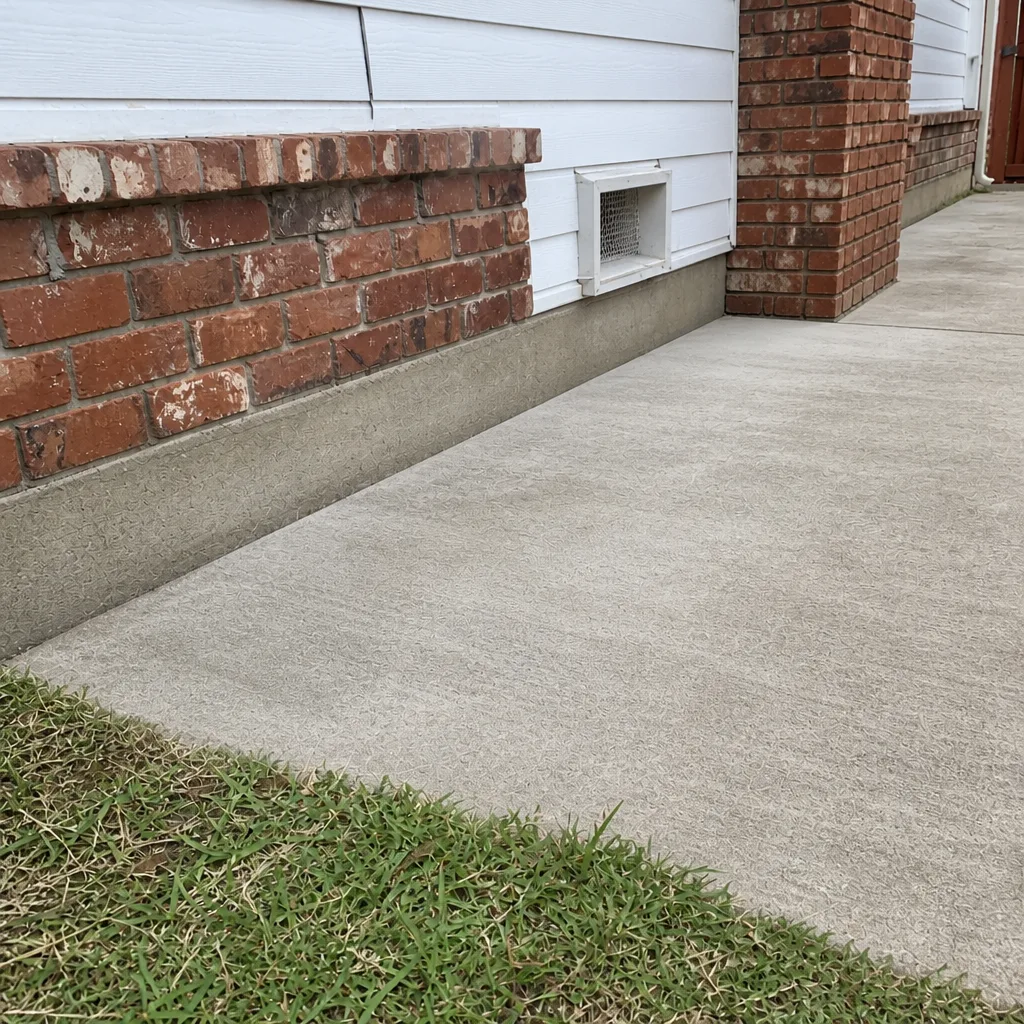
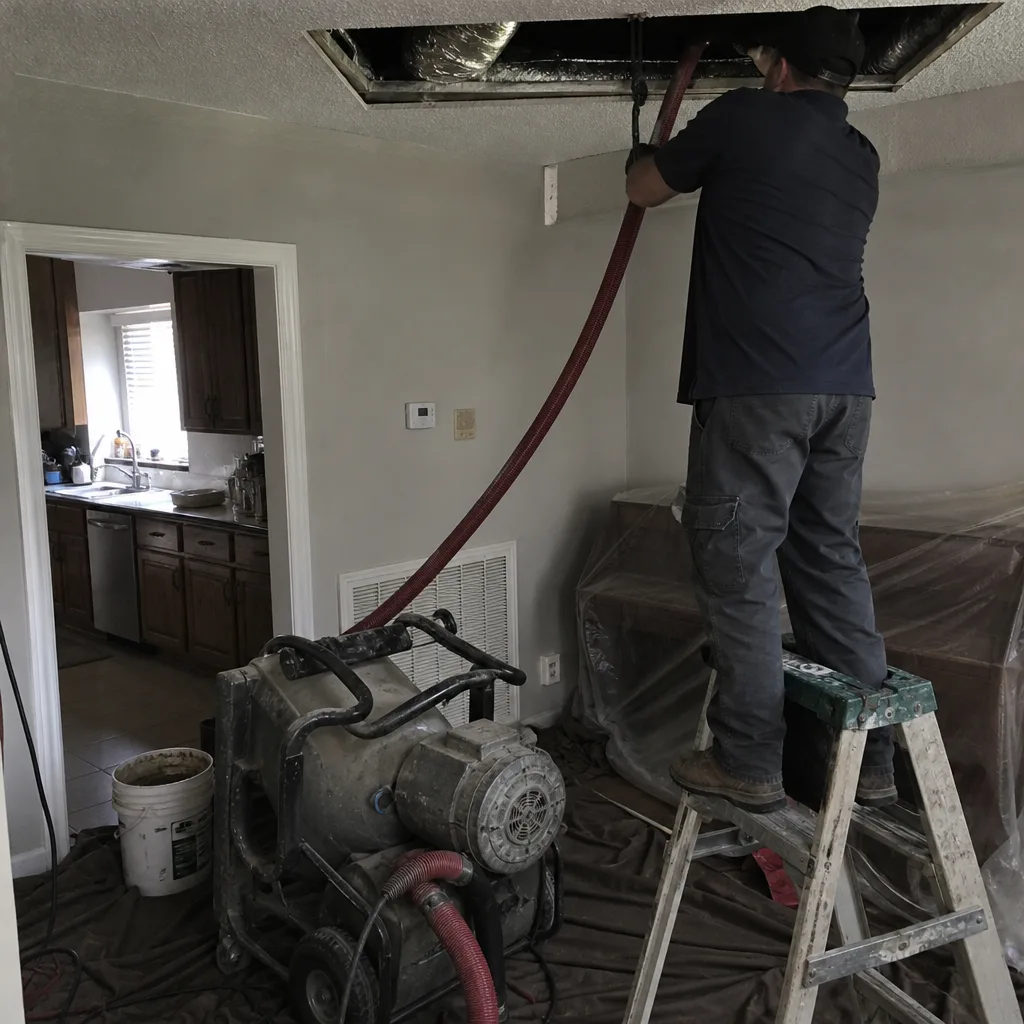 Before
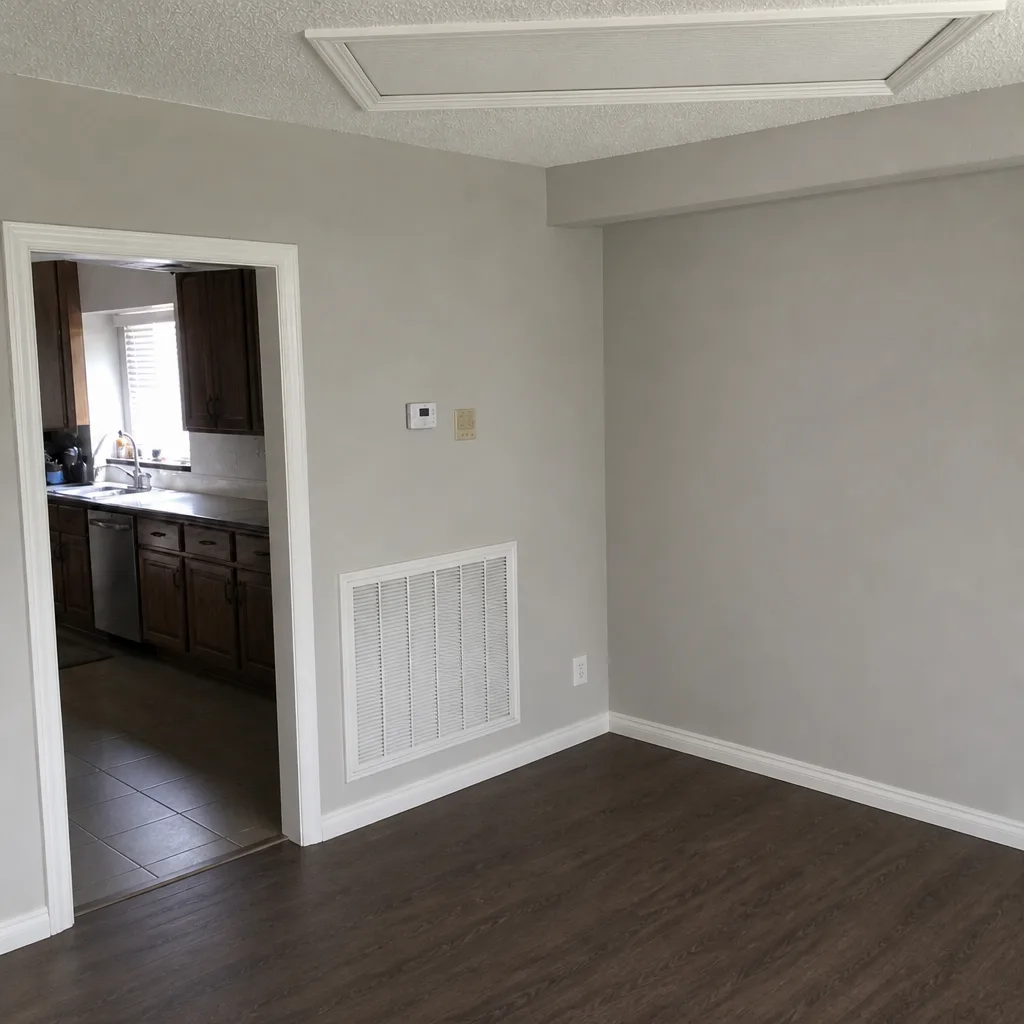 After
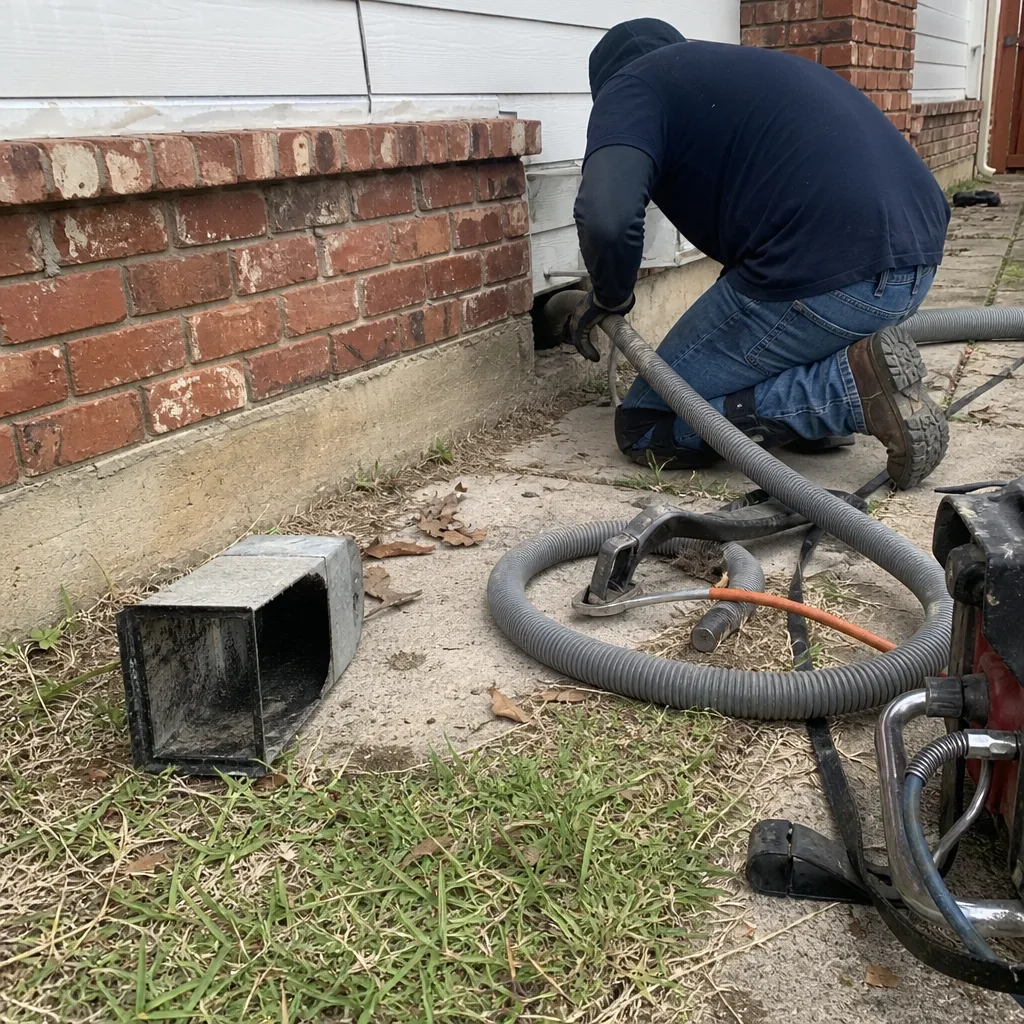 Before
 After
 Before
 After
When to Call a Professional
Call us when you’ve noticed something specific that’s gotten worse, when it’s been more than two years since the last clean, or when you’re buying a home and want to know what you’re inheriting. Call us when a remodel just finished and you can feel the drywall dust in the air. Call us when a room never cools. Call us when the dryer takes two cycles to dry a load, which is the classic sign the vent is loading. Call us when you’ve found staining or smell in the ducts and you’re not sure what it is – that one belongs to a professional. Duct Cleaning Carrollton offers free estimates in Carrollton, so an assessment costs nothing and tells you what the system actually needs. Call (866) 580-7041. We answer 24/7. Fast dispatch from 7am to 7pm, Sunday through Friday.
Frequently Asked Questions
Most Carrollton homes need one full clean every one to two years, plus one inspection per year. Homes near denser areas with longer summer runtimes lean toward annual cleaning; homes near quieter edges with lighter use lean toward every two years. The inspection result, not a fixed calendar rule, sets the right cadence for your home. Call (866) 580-7041 for a free estimate and we’ll assess where you actually are.
Late February and early May are the two strongest windows. February gets you ahead of the oak and cedar pollen peak; May gets you done before peak cooling load. Either window gives you a cleaner system that stays cleaner longer than a mid-summer clean would.
Yes. The Carolton cooling season is long, and the urban heat island effect drives longer system runtimes in the denser parts of the city. That means faster accumulation per year than in cooler or less dense areas. The four-window rhythm in this guide is built around that reality.
No, not effectively. A shop vacuum doesn’t have the airflow or containment to pull debris out of long trunk runs; it just disturbs what’s there and redistributes it into the house. Professional equipment like Rotobrush rotary brush systems and Nikro vacuum systems is sized for the volume and length of a real residential system. For anything beyond a surface wipe, leave the ducts to the equipment that’s built for it.
It’s priced per system, based on the number of returns, trunks, branches, and accessibility, not per vent. We don’t quote teaser prices, and the written estimate is the final price. Free estimates are the honest way to find out what your home needs, because a per-vent quote on the phone tells you nothing useful. Call (866) 580-7041 for an estimate.
They usually cover a fraction of the system, then add per-vent upcharges or per-branch fees once the crew is on site. The final invoice ends up well above the teaser. A per-system estimate given before work starts is the only way to compare fairly. The equipment and containment matter too – if the crew isn’t running proper vacuum and containment, they’re just redistributing dust into the living space. Call (866) 580-7041 for an honest estimate.
The Bottom Line
Timing beats frequency. The best outcome from your Carrollton duct system comes from cleaning before the pollen peaks in February, inspecting before peak load in May, monitoring during the hot months, and addressing moisture and insulation in October. That rhythm produces cleaner air per dollar than the standard “every few years” approach that most of the industry preaches. Add a dedicated dryer vent clean and a coil check to the same visit and you’ve covered the actual risk areas. If you’re not sure where your home sits on the cadence, the assessment is free. Call (866) 580-7041. We answer 24/7. Fast dispatch from 7am to 7pm, Sunday through Friday.
Written by the team at Duct Cleaning Carrollton, serving Carrollton since 2012.